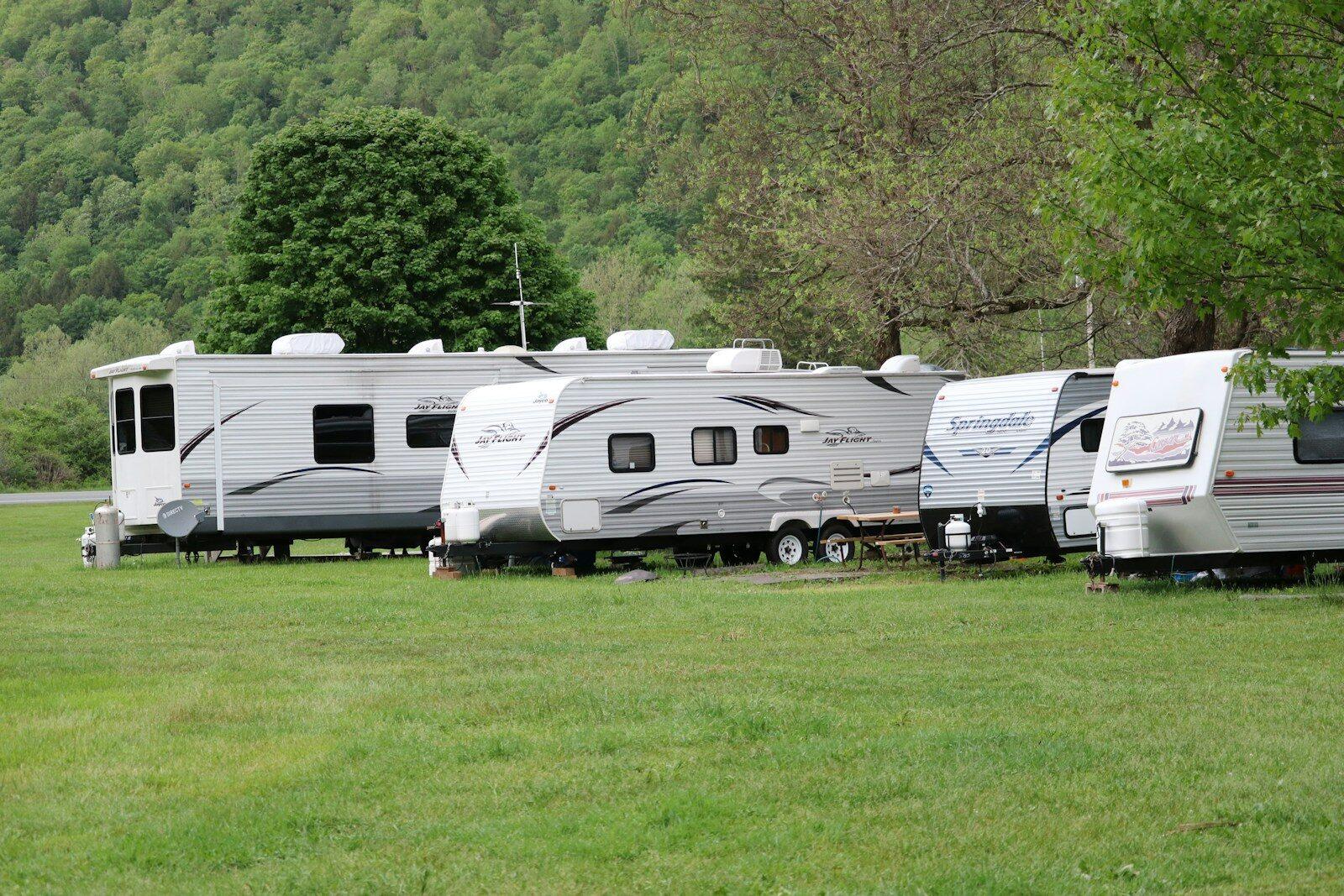
Running a caravan site without reliable internet is a bit like running a B&B without hot water. Your guests might tolerate it for a night, but they won’t rush back. Whether visitors want to stream a film on a rainy evening, check emails, or simply browse social media around the campfire, broadband has become a basic expectation at UK caravan parks.
Finding the right connection for a rural or semi-rural site brings its own set of challenges, though. Standard residential broadband packages rarely fit the bill, and many caravan parks sit in areas where traditional infrastructure is limited. This guide walks you through every option available, from satellite links to 4G/5G routers, so you can pick the solution that matches your site, your budget, and your guests’ expectations.
Why Reliable Broadband Is Necessary for Caravan Sites
Guest expectations have shifted dramatically over the past decade. A 2023 survey by the UK Caravan and Camping Alliance found that Wi-Fi availability ranked among the top three factors influencing booking decisions, right alongside cleanliness and location. Families streaming children’s programmes, remote workers extending trips midweek, and older guests video-calling family all depend on a stable connection.
Beyond guest satisfaction, broadband powers your own business operations. Online booking platforms, card payment terminals, CCTV systems, and smart energy meters all need connectivity to function. If your internet drops out on a busy bank holiday weekend, you could lose bookings, miss payments, or leave your site unsecured.
There’s a competitive angle too. Sites listed on platforms like Pitchup or the Caravan and Motorhome Club directory often display Wi-Fi availability as a filterable feature. Without it, potential guests may never see your listing. Reliable broadband isn’t just a nice perk; it directly affects occupancy rates and revenue.
Types of Broadband Solutions for Caravan Parks
No single broadband technology works for every caravan site. Your location, the number of pitches, seasonal demand patterns, and budget all shape the right choice. Here’s a breakdown of the main options available across the UK.
Standard Fixed-Line Broadband (ADSL/FTTC/FTTP)
If your site sits close to a telephone exchange or has access to fibre infrastructure, a fixed-line connection offers the most stable and cost-effective solution. FTTC (fibre to the cabinet) delivers speeds of up to 80 Mbps, while full fibre (FTTP) can reach 1 Gbps in areas where it’s available.
The downside? Many caravan parks are located in rural spots where Openreach or alternative network providers haven’t yet laid fibre. You can check availability using Openreach’s fibre checker by entering your site’s postcode. If fibre reaches your area, this will almost always be your cheapest and most reliable option.
4G/5G Mobile Broadband
Mobile broadband uses the same cellular networks as your phone. A dedicated router with a SIM card picks up 4G or 5G signals from nearby masts and converts them into a Wi-Fi network your guests can use.
Satellite Broadband
Satellite connections beam internet from orbit, meaning they work virtually anywhere with a clear view of the sky. Traditional geostationary satellite services and newer low-earth orbit options like Starlink have opened up possibilities for the most remote sites.
Bonded or Hybrid Connections
Some specialist providers combine multiple connection types (for example, two 4G connections and a fixed line) into a single, more reliable link. This approach is worth exploring if no single technology delivers enough speed or stability on its own.
4G/5G Mobile Broadband for Flexible Connectivity
For many caravan site owners, 4G or 5G broadband hits the sweet spot between performance, cost, and ease of setup. You don’t need an engineer to dig trenches or install cables. In most cases, you simply plug in a router, insert a SIM card, and connect an external antenna if signal strength needs a boost.
Speeds and Coverage
4G typically delivers download speeds between 20 and 50 Mbps in areas with decent coverage, though peak speeds can reach 100 Mbps or more near a mast. 5G pushes that figure significantly higher, sometimes beyond 300 Mbps, but its rollout remains concentrated in urban and suburban areas as of mid-2025.
Before committing, test signal strength at your site across all four major networks: EE, Three, Vodafone, and O2. Ofcom’s coverage checker gives a useful starting point, but real-world performance varies. Hills, trees, and buildings all affect signal. Borrowing SIM cards from different networks and running speed tests over several days gives you a much more accurate picture.
Equipment and Antennas
A standard indoor 4G router may struggle in rural areas. External directional antennas mounted on a pole or rooftop can dramatically improve signal strength, sometimes doubling or tripling speeds. Companies like Poynting and Panorama Antennas manufacture outdoor units designed for rural broadband use.
For larger sites, you might need multiple access points or mesh Wi-Fi systems to distribute the connection across dozens of pitches. A single router in the reception block won’t cover a 50-pitch field.
Contract Flexibility
One major advantage of mobile broadband for seasonal caravan sites is contract flexibility. Several providers offer 30-day rolling SIM-only deals, letting you scale data usage up during peak summer months and down (or pause entirely) over winter. This avoids paying for a 12-month fixed-line contract when your site only operates from March to October.
Satellite Broadband: Reaching Remote Caravan Sites
If your caravan park sits in a mobile signal dead zone with no prospect of fixed-line fibre, satellite broadband may be your only realistic option. The technology has improved enormously in recent years.
Traditional vs. Low-Earth Orbit Satellites
Older satellite services from providers like Europasat use geostationary satellites positioned roughly 36,000 km above Earth. They work reliably, but the distance creates noticeable latency (the delay between clicking a link and the page starting to load), typically around 600 milliseconds. That’s fine for browsing and email but frustrating for video calls or gaming.
Starlink, operated by SpaceX, uses a constellation of low-earth orbit satellites just 550 km up. This slashes latency to around 25-50 milliseconds, making it feel much closer to a wired connection. Download speeds typically range from 50 to 200 Mbps. Starlink’s business tier, designed for commercial use, offers priority data and fixed IP addresses, which suits caravan park setups well.
Cost Implications
Satellite broadband costs more than terrestrial alternatives. Starlink’s residential kit costs around £449 upfront with a monthly subscription of approximately £75 (prices as of early 2025; check Starlink’s website for current figures). The business plan costs more but includes priority bandwidth during congestion.
Traditional satellite services often have strict data caps, which can be a problem if multiple guests are streaming video simultaneously. Starlink operates without hard data caps, though speeds may slow during periods of heavy network usage.
Practical Installation Tips
Satellite dishes need an unobstructed view of the sky. Tall trees, buildings, and steep hillsides can block the signal. Starlink’s app includes an obstruction checker that uses your phone’s camera to assess a potential installation spot before you buy. Mount the dish as high as practical, ideally on a permanent building rather than a caravan that might move.
Fixed-Line vs. Wireless: Choosing the Right Option
Deciding between fixed-line and wireless broadband often comes down to three factors: availability, reliability, and cost.
Fixed-line connections (especially full fibre) deliver the most consistent speeds with the lowest latency. They don’t suffer from weather interference or network congestion in the same way wireless options can. If FTTP is available at your postcode, it should sit at the top of your list. Many business fibre packages from providers like BT Business, Zen Internet, or Vodafone Business include static IP addresses and service level agreements (SLAs) that guarantee uptime.
Wireless options (4G/5G and satellite) offer flexibility and reach locations fixed lines simply can’t. They’re faster to install, often requiring no groundwork at all. But they’re more susceptible to interference. Heavy rain can affect satellite signals. A music festival on a nearby farm can overload local 4G masts for a weekend.
For medium to large caravan parks with reliable fixed-line access, the smartest approach is often a hybrid setup: a fibre backbone for the main office, booking system, and CCTV, with 4G as a failover backup. Guests then connect through a distributed Wi-Fi network fed by the primary connection.
Key Features to Look for in a Caravan Site Broadband Package
Not all broadband packages suit commercial caravan site use. Here’s what to prioritise when comparing options.
Speed per user, not headline speed. A 100 Mbps connection sounds impressive, but split it across 40 caravans streaming Netflix and each guest gets just 2.5 Mbps. Calculate based on peak occupancy and typical usage.
Unlimited or generous data allowances. Data caps cause problems fast on a busy site. One family streaming HD video can use 3-5 GB per hour. Multiply that across your pitches and capped packages quickly become unworkable.
Static IP addresses. If you run CCTV, remote access systems, or a booking server on-site, a static IP makes management far simpler.
Guest management portal. Some providers offer a captive portal (the login page guests see when connecting). This lets you set fair usage limits per device, display terms of use, and even offer tiered access (free basic Wi-Fi plus a paid premium tier with faster speeds).
Uptime guarantees. Business-grade packages often include SLAs promising 99.9% uptime, with compensation if the provider fails to deliver. Consumer packages rarely offer this.
Scalability. Your needs in July differ wildly from January. Look for providers that let you adjust bandwidth or add access points without locking you into expensive long-term commitments.
Cost Considerations and Comparing Providers
Budgets vary enormously across the caravan park sector. A small five-pitch CL (Certificated Location) has very different needs from a 200-pitch holiday park with a bar, shop, and swimming pool.
For a small site, a 4G router with an external antenna and a generous data SIM might cost £200-£400 for equipment plus £30-£60 per month. That’s enough to cover a handful of pitches and basic office use.
Mid-sized parks often spend £1,000-£3,000 on initial setup (router, access points, cabling, and antennas) with monthly costs between £50 and £150 depending on the technology and speeds chosen.
Large holiday parks with full-site Wi-Fi coverage may invest £5,000-£15,000 or more in professional-grade networking equipment, with monthly broadband bills of £100-£500 depending on bandwidth requirements.
When comparing providers, ask for case studies or references from other caravan or holiday park clients. Specialist providers like Wifinity, Glide, and Campsited focus specifically on hospitality and leisure broadband and understand the unique demands of seasonal sites.
Always request a site survey before signing a contract. A reputable provider will visit your park, test signal strengths, assess infrastructure, and recommend equipment based on your specific layout and guest capacity.
Getting Setup: Installation and Ongoing Management
Once you’ve chosen a provider and technology, the installation process depends on what you’ve selected.
Fixed-line installations typically require an Openreach or alternative network engineer visit. This can take two to four weeks to schedule, so plan well ahead of your opening season. The engineer will install a master socket or ONT (Optical Network Terminal for fibre), and your broadband provider’s router connects to it.
4G/5G setups are far quicker. Mount your external antenna, connect it to the indoor router via coaxial cable, insert the SIM, and configure your Wi-Fi network. A competent handyperson can manage this in a few hours. For multi-access-point setups across a larger site, consider hiring a network installer who specialises in outdoor Wi-Fi.
Satellite installations involve mounting the dish (Starlink’s is self-orienting, which simplifies things), running an ethernet cable to your router, and configuring the network. The dish needs mains power, so factor in weatherproof outdoor power points if mounting remotely from buildings.
Ongoing Management
Plan for ongoing maintenance, not just the initial install. Firmware updates on routers and access points patch security flaws and improve performance. Guest-facing networks should use WPA3 encryption where possible and separate guest traffic from your business network to protect payment systems and personal data.
Monitor bandwidth usage during peak periods. If guests consistently report slow speeds on busy weekends, you may need to add bandwidth, install additional access points, or implement fair usage policies that prevent one guest from hogging all available speed.
The UK’s National Cyber Security Centre offers a free small business guide covering basic network security practices. Following their recommendations protects both your business and your guests.
Where Caravan Site Broadband Is Heading
The broadband picture for rural UK sites improves every year. The government’s Project Gigabit programme aims to bring gigabit-capable broadband to 85% of UK premises by 2025 and is specifically targeting hard-to-reach rural areas. 5G coverage continues to expand, and satellite options grow more affordable.
For caravan site owners, the smartest move right now is to audit your current connectivity, check what new infrastructure has reached your area since you last looked, and speak to two or three providers for quotes. Broadband technology and pricing shift quickly, and a solution that was unavailable or unaffordable two years ago might now be within easy reach.
Your guests expect to stay connected. Give them reliable Wi-Fi, and they’ll stay longer, spend more, and leave better reviews. That makes broadband one of the highest-return investments any caravan site can make.