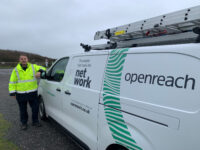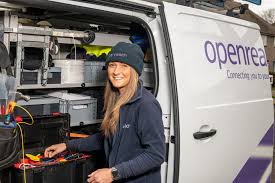
Openreach engineers will receive a new safety app featuring a panic button function following a dramatic surge in verbal and physical attacks against telecoms workers across Britain.
The company recorded 700 incidents of abuse against its field staff in the past year alone, prompting urgent action to protect engineers who often work alone in remote locations.
Direct Line to Emergency Services
The safety application connects workers directly to emergency services and Openreach’s control centre with a single touch. Engineers can also use the app to report threatening behaviour before situations escalate.
“I’ve had people shouting at me because their internet’s down, like it’s my fault personally,” said Mark Thompson, an engineer based in Manchester who has worked for Openreach for eight years. “Last month someone actually grabbed my arm when I told them the repair would take two days.”
The app includes GPS tracking so emergency responders can locate engineers immediately. It also features a “buddy system” allowing colleagues to monitor each other’s safety during shifts.
Weekend and Evening Attacks Rising
Physical confrontations have increased by 30% compared to the previous year, with most incidents occurring during weekend and evening work when engineers are completing urgent repairs.
Sarah Mitchell, who covers rural areas in Yorkshire, describes growing hostility from frustrated customers. “People see the van and assume we’re there to disconnect their service,” she said. “I’ve had doors slammed in my face and been called every name under the sun before I even explain why I’m there.”
The 700 recorded incidents include everything from verbal threats to actual physical assaults. Openreach estimates the true figure could be higher, as many engineers don’t report minor confrontations.
Remote Locations Create Vulnerability
Many attacks occur at telecommunications cabinets and overhead line work sites where engineers operate without direct supervision. The isolation makes workers particularly vulnerable to aggressive members of the public.
“Working on a cabinet at 6am, you don’t expect someone to come up and start threatening you about their broadband speed,” said James Parker, an engineer from Bristol. “But it happens more than you’d think.”
The company has also introduced body-worn cameras for high-risk areas and increased security patrols around sensitive infrastructure.
Industry-Wide Problem
Other telecommunications companies report similar trends. BT Group, Virgin Media, and Sky have all documented increases in aggressive behaviour towards field staff since the pandemic.
The pattern reflects broader tensions around digital connectivity, with customers increasingly dependent on reliable internet for work and entertainment. Service disruptions now trigger more intense reactions than traditional utility outages.
“When someone’s working from home and the broadband goes down, they see pound signs disappearing,” explained Lisa Chen, a telecommunications industry analyst. “That financial pressure gets directed at whoever shows up in a branded van.”
Legal Action and Prosecution
Openreach has begun pursuing criminal charges against the most serious offenders. The company secured 47 successful prosecutions last year for assaults against staff members.
Police forces across England and Wales have agreed to fast-track cases involving attacks on essential service workers. The Crown Prosecution Service considers such incidents to be attacks on critical infrastructure.
“We won’t tolerate violence against our people,” said David Roberts, Openreach’s safety director. “Engineers are trying to maintain and improve services that everyone depends on.”
Training and Support Measures
The company has expanded de-escalation training for all field staff and provides counselling support for workers who experience threatening situations.
Engineers now receive specific guidance on recognising warning signs of aggressive behaviour and techniques for safely withdrawing from dangerous situations.
“The training helped me spot when someone’s getting wound up,” said Thompson. “Now I know when to step back and call for backup instead of trying to finish the job.”
Customer Education Campaign
Openreach plans a public awareness campaign explaining the role of field engineers and the complexity of telecommunications infrastructure repairs.
The initiative will highlight that individual engineers cannot control network-wide outages or instantly resolve technical problems requiring parts or specialist equipment.
The company hopes better understanding of engineering constraints will reduce confrontational incidents and improve working relationships with communities served by its network.
The safety app rollout begins next month across all Openreach regions, with additional security measures planned for areas recording the highest incident rates.