Traditional broadband forced customers to pay for landlines they never used. That £10-15 monthly line rental felt like subsidizing obsolete technology when mobile phones handle all your calls anyway. Millions of UK households haven’t made a landline call in years yet continued paying these fees.
Technology finally caught up with how people actually live. Full fibre networks, cable infrastructure, and 5G broadband all deliver internet without requiring phone lines. This guide explains exactly how to get connected while keeping that line rental money in your pocket.
Why Old Broadband Needed Phone Lines
ADSL and FTTC broadband traveled partly over copper phone lines installed decades ago. These connections physically required active phone lines, forcing providers to charge line rental whether customers made calls or not.
Line rental typically cost £15-20 monthly bundled into broadband packages. Most customers never noticed this buried charge, but it added £180-240 annually to their bills.
Ofcom regulations changed in 2022, requiring providers to show broadband and line rental as separate charges. This transparency revealed how much people paid for unused services.
New technologies eliminated phone line dependency completely. Full fibre, cable, and wireless broadband operate independently of copper phone infrastructure.
Three Technologies Deliver Landline-Free Broadband
Cable broadband runs on coaxial networks independent of phone systems. Virgin Media built their infrastructure in the 1990s specifically avoiding reliance on BT’s copper network.
Full fibre (FTTP) uses pure fibre optic cables from exchange to home. No copper exists in these connections, meaning no phone line requirement ever existed.
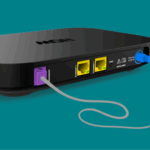
5G/4G home broadband connects via mobile networks. Three and EE offer plug-and-play routers accessing cellular signals rather than fixed cables.
Fixed wireless transmission uses radio signals between towers and property receivers. Regional providers serve rural areas where fibre hasn’t arrived.
Each technology delivers reliable internet without touching phone infrastructure. Your choice depends on what’s available at your address and your specific needs.
Virgin Media: Cable Pioneer
Virgin Media operates the UK’s largest cable network reaching approximately 15 million premises. Their infrastructure never used phone lines, making them automatic choices for landline-free broadband.
M125 Fibre Broadband delivers 132Mbps for £28 monthly on 24-month contracts. Entry-level speeds handle streaming, video calls, and browsing for smaller households smoothly.
M250 Fibre Broadband provides 264Mbps for £31 monthly. Mid-tier performance suits families with 3-4 people streaming different content simultaneously.
M500 Fibre Broadband reaches 516Mbps for £36 monthly. Serious streamers and gamers benefit from speeds eliminating all buffering even during peak hours.
Gig1 Fibre Broadband tops out at 1,130Mbps for £50 monthly. This gigabit tier supports 10+ devices simultaneously downloading and streaming without slowdowns.
All packages include free installation and Virgin Media’s Hub 5 router. Setup fees disappeared in 2025, removing a previous barrier to switching.
Network reliability hits 99.91% according to Ofcom testing. Virgin Media’s separated infrastructure means issues affecting Openreach networks don’t touch their customers.
Coverage limitations exist. Virgin Media reaches about 60% of UK homes, concentrating in cities and large towns. Suburban and rural areas often fall outside their network footprint.
BT Full Fibre Without Line Rental
BT’s full fibre packages eliminated separate line rental charges when switching to FTTP technology. The quoted price includes everything needed.
Fibre 100 costs £27.99 monthly for 100Mbps speeds. This entry tier handles most household streaming and browsing requirements comfortably.
Fibre 300 runs £32.99 monthly for 300Mbps speeds. Mid-range bandwidth supports multiple heavy users simultaneously.
Fibre 900 reaches £42.99 monthly for 900Mbps speeds. Professional users and tech enthusiasts benefit from these near-gigabit capabilities.
Installation requires engineer visits taking 2-3 hours. BT routes fibre cables from street cabinets into homes, mounting optical network terminals inside.
Full fibre coverage reaches about 40% of UK premises currently. BT continues rolling out network upgrades but many areas still await connections.
Check availability carefully using BT’s postcode checker. Full fibre and standard fibre differ significantly – only FTTP eliminates line rental completely.
Sky Full Fibre Packages
Sky’s full fibre broadband operates on Openreach infrastructure without separate line rental charges appearing on bills.
Sky Full Fibre costs £26 monthly for 59Mbps speeds. Budget-friendly pricing makes this attractive for cost-conscious households.
Sky Full Fibre Max runs £28 monthly for 145Mbps speeds. This tier handles heavy streaming families with multiple devices comfortably.
Sky Gigafast Fibre reaches £40 monthly for 900Mbps speeds. Top-tier performance benefits professional users working from home regularly.
Bundle opportunities with Sky Stream TV add value. Combining broadband and television costs £32 monthly total for both services.
Installation follows Openreach timelines of 10-14 days typically. Engineers visit when needed, or activation happens remotely for pre-wired properties.
Sky’s customer service scores well in satisfaction surveys. Support teams handle technical issues efficiently compared to industry averages.
TalkTalk Full Fibre Options
TalkTalk focuses on value pricing for full fibre packages eliminating phone line charges.
Full Fibre 150 costs £27 monthly for 150Mbps speeds. This sweet spot serves most households with multiple users streaming simultaneously.
Full Fibre 500 runs £32 monthly for 500Mbps speeds. Heavy users appreciate bandwidth handling downloads, gaming, and streaming without competition.
Full Fibre 900 reaches £37 monthly for 900Mbps speeds. Near-gigabit performance rarely needed but available for demanding users.
Setup costs just £5, beating most competitors. Low upfront charges help households with limited savings at switching time.
TalkTalk’s network covers 95% of UK homes via Openreach. Urban and suburban areas typically have excellent access to their services.
Customer service receives mixed reviews. Online support works better than phone lines according to user feedback on review sites.
Plusnet Fibre Without Landline
Plusnet operates as BT’s value brand delivering reliable full fibre at competitive prices without line rental.
Unlimited Full Fibre costs £23.99 monthly for 36Mbps speeds. Basic tier handles light usage perfectly while keeping costs minimal.
Full Fibre 74 runs £27.99 monthly for 74Mbps speeds. Mid-range performance suits typical families streaming and browsing daily.
Full Fibre 145 reaches £31.99 monthly for 145Mbps speeds. Higher bandwidth accommodates heavy users and larger households.
Free activation appears regularly in promotions. Check current deals before ordering as offers cycle monthly.
UK-based customer service wins awards consistently. Support quality exceeds most competitors with knowledgeable teams solving problems effectively.
Network relies on Openreach full fibre availability. Check postcodes carefully as coverage varies significantly by location.
Three 5G Home Broadband
Three eliminated all fixed infrastructure entirely. Their 5G Home Broadband costs £21 monthly with unlimited data included.
Average speeds reach 100-150Mbps where strong 5G signals exist. Performance matches most household needs for streaming, gaming, and video calls.
Setup takes minutes instead of weeks. Unbox the 5G router, plug into power, wait for signal lock, connect devices. Total time under 10 minutes.
No engineer visits, no installation appointments, no drilling holes. The complete absence of physical installation appeals to renters especially.
Cancel anytime with 30 days notice and no contract required. Ultimate flexibility for people with uncertain living situations.
30-day money-back guarantee lets you test risk-free. Return everything for full refunds if coverage disappoints or performance feels inadequate.
Coverage determines everything. Check Three’s 5G map meticulously before ordering. Weak signals mean poor or unusable performance.
Building materials matter significantly. Stone walls and brick construction common in older homes often block 5G signals preventing adequate coverage.
EE 5G Home Broadband
EE offers similar 5G home broadband with slightly different positioning and pricing.
5G Home Broadband costs £30 monthly for average speeds of 100-150Mbps. Higher pricing than Three but EE’s wider 5G coverage might justify costs.
Setup remains plug-and-play simple. Router arrives by post, plug in, connect devices, start browsing within minutes.
EE’s 5G network covers 70% of UK outdoor areas. Broader reach than Three potentially provides better indoor signal penetration.
Contract lengths vary. 24-month terms reduce monthly costs while 30-day rolling contracts cost more but provide flexibility.
EE customers get Smart WiFi extenders free if coverage proves inadequate. This guarantee differentiates them from competitors.
Hyperoptic Building-Specific Fibre
Hyperoptic builds independent fibre networks in apartment buildings offering landline-free broadband at competitive prices.
Fast 50 costs £20 monthly for 50Mbps speeds. Basic tier handles light usage adequately for smaller households.
Superfast 150 runs £25 monthly for 150Mbps speeds. Sweet spot pricing delivers performance most households need.
Ultrafast 500 reaches £30 monthly for 500Mbps speeds. Heavy users benefit from bandwidth supporting concurrent intensive activities.
Gigafast 1000 tops out at £35 monthly for symmetrical 1Gbps. Professional users appreciate matching upload capabilities rare at consumer prices.
Installation happens within 5 working days typically. Engineers mount small junction boxes inside apartments quickly.
Coverage limits them to apartment buildings and new developments in cities. Most suburban houses and rural homes fall outside their network.
Benefits Beyond Saving Line Rental
Choosing landline-free broadband delivers advantages beyond financial savings:
Faster installation happens without phone line activation. Cable and 5G broadband often connect within days versus weeks for traditional services.
Less clutter results from fewer devices and cables. No separate phone equipment or additional wiring creates cleaner home setups.
Simpler billing shows one charge instead of broadband plus line rental split across statements confusingly.
Greater flexibility exists when moving. No phone line transfers or porting numbers complicates relocations unnecessarily.
Modern technology aligns with how you actually live. Mobile phones handle calls making landlines genuinely obsolete for most households.
What You Lose Without Landlines
Honesty demands acknowledging what disappears when ditching phone lines:
Emergency service access becomes mobile-dependent. Power outages disable broadband but landlines historically worked during cuts. Mobile phones suffice for most people.
Older alarm systems sometimes require landlines. Check if your security system needs phone connections before canceling anything.
Some remote monitoring services depend on landlines. Medical alert systems or similar monitoring occasionally need phone connections.
Phone number portability disappears. Landline numbers can’t transfer to mobile-only broadband packages obviously.
For most households these limitations don’t matter. Mobile phones provide emergency access, and modern alarm systems use cellular or internet connections.
Choosing Your Technology Type
Match technology to your specific circumstances:
Choose cable broadband (Virgin Media) if available at your address and you want proven reliability. Speeds range widely from basic to gigabit.
Choose full fibre from Openreach providers (BT, Sky, TalkTalk, Plusnet) when settling long-term. These deliver excellent reliability with mainstream support.
Choose 5G broadband (Three, EE) for ultimate flexibility and quick setup. Perfect for renters, people testing services, or temporary housing.
Choose Hyperoptic if living in served apartment buildings. Their speeds and prices often beat alternatives in their coverage areas.
Avoid choosing based on marketing hype. Gigabit speeds sound impressive but most households never use even 200Mbps fully.
Speed Requirements Without Landlines
Landline-free broadband performs identically to traditional services at equivalent speeds:
Speeds of 30-50Mbps handle streaming HD video, video calling, and browsing on 2-3 devices simultaneously. Small households rarely need more.
Speeds of 50-100Mbps support families with 4-5 devices streaming different content. This range covers most household requirements comfortably.
Speeds of 100-300Mbps benefit heavy users gaming, streaming 4K content, or working from home on video calls constantly.
Speeds above 500Mbps become unnecessary for typical homes. Unless downloading 50GB files daily, you’re paying for unused capacity.
Test your current usage before upgrading. Most households use well under 100Mbps even during peak evening streaming hours.
Installation Expectations
Installation processes vary by technology:
Cable requires engineer visits lasting 3-4 hours. Virgin Media drills small holes through exterior walls mounting connection boxes inside.
Full fibre needs engineers for new installations taking 2-3 hours. They route cables from street cabinets and install optical terminals indoors.
5G broadband requires zero installation. Unbox equipment, plug into power, wait for signal, connect devices. Done in minutes.
Fixed wireless needs professional installation mounting external aerials with clear line of sight to transmission towers.
Making Your Smart Decision
Start by checking what’s genuinely available at your address. Many providers advertise services not reaching all areas yet.
Compare real monthly costs including all fees. Router rental, installation charges, and price rise terms affect true expenses significantly.
Read reviews from actual customers in your area. Service quality varies dramatically between locations even with the same provider.
Test services during money-back guarantee periods. Most providers allow 14-30 days to cancel for full refunds if disappointed.
Don’t assume loyalty gets rewarded. Switching providers every 12-24 months typically saves £100-300 yearly versus staying out-of-contract.
Broadband without landlines matches how most people live now. Mobile phones handle all calls making that £15-20 monthly line rental wasted money. Whether choosing Virgin Media’s cable, BT’s full fibre, or Three’s 5G broadband, you can get reliable internet while keeping line rental fees in your pocket where they belong.