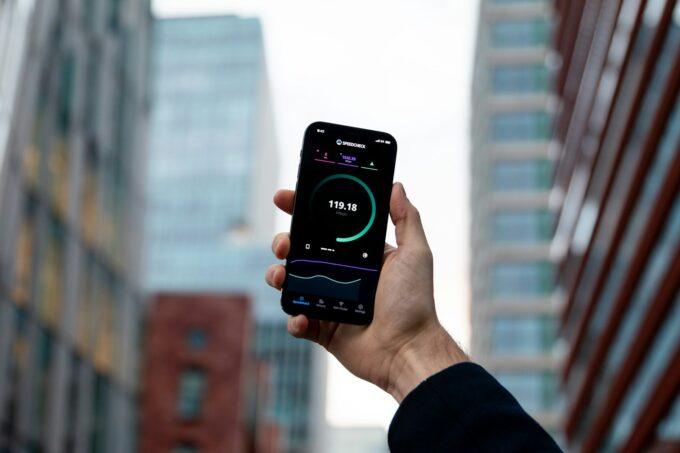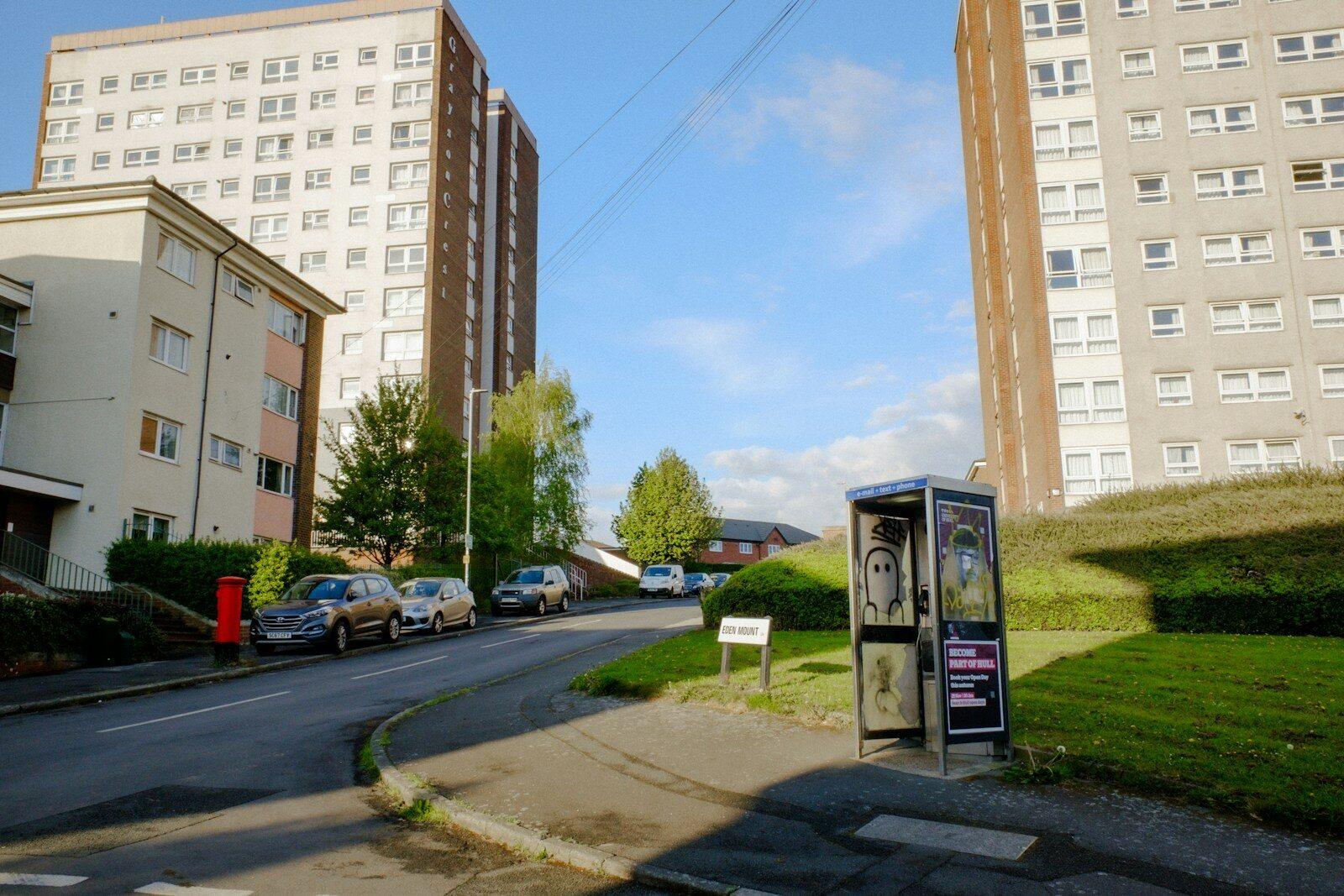
Reliable internet access has become as fundamental as running water or electricity. For millions of people living in social housing across the UK, though, getting online at a reasonable cost remains a real struggle. Whether it’s children trying to do homework, adults searching for jobs, or elderly residents accessing NHS services, broadband has shifted from a luxury to a basic need.
The good news? Things are changing. A mix of government funding, provider partnerships, and community-led projects is steadily closing the connectivity gap in social housing. If you’re a housing association manager, a local authority decision-maker, or a tenant looking for affordable options, this guide breaks down what’s happening, what’s available, and what the future looks like.
The Importance of Broadband in Social Housing
Around 4 million households in England live in social housing, according to the English Housing Survey. For these residents, internet access affects almost every part of daily life.
Think about applying for Universal Credit. The process is almost entirely online. Without broadband, claimants face trips to libraries or community centres just to manage their benefits. The same goes for booking GP appointments, comparing energy tariffs, or helping children with school projects that rely on online research.
Digital exclusion hits hardest in communities that already face other disadvantages. Research from the Lloyds Bank Consumer Digital Index shows that lower-income households are far more likely to lack basic digital skills and home internet access. When social housing residents can’t get online affordably, existing inequalities deepen.
For housing associations and councils, broadband connectivity also has operational benefits. Digital communication with tenants reduces postage costs. Online portals make it easier for residents to report repairs or manage rent payments. Smart building technology, from energy monitoring to security systems, depends entirely on reliable internet infrastructure.
Put simply, broadband in social housing isn’t just about convenience. It’s about inclusion, opportunity, and better outcomes for both residents and landlords.
Challenges of Providing Broadband in Social Housing
Getting broadband into social housing blocks and estates isn’t always straightforward. Several barriers stand in the way, and understanding them helps explain why progress has sometimes been slow.
Building design and age
Many social housing properties were built decades before anyone imagined fibre optic cables. Older tower blocks and estates often lack internal ducting, which means providers need to find creative ways to route cables through buildings. Listed buildings add another layer of complexity, with restrictions on where cables and boxes can be placed.
Wayleave agreements
Before any broadband provider can install infrastructure in a building, they need permission from the property owner. In social housing, this means negotiating wayleave agreements with housing associations or local authorities. These legal agreements can take months to finalise, and some landlords have historically been slow to engage with providers.
Cost barriers for residents
Even when broadband infrastructure reaches a building, residents may struggle to afford monthly packages. Standard broadband contracts typically cost between £25 and £40 per month. For someone on Universal Credit or a state pension, that’s a significant outgoing. The fear of being locked into long contracts adds to the reluctance.
Low demand perception
Some providers have viewed social housing estates as commercially unattractive. If a significant proportion of residents are unlikely to sign up for full-price packages, the return on investment for installing infrastructure can look thin. This has led to some estates being overlooked during network rollout plans.
Digital skills gaps
Access alone isn’t enough. Many residents, particularly older tenants, lack confidence using computers or smartphones. Without support to build digital skills, a broadband connection can sit unused. Housing associations increasingly recognise that connectivity must come with education and support.
Government Initiatives and Funding for Connectivity
The UK government has made clear commitments to improving broadband coverage, and several programmes specifically target underserved communities, including social housing.
Project Gigabit
Project Gigabit is the government’s flagship programme for rolling out gigabit-capable broadband to hard-to-reach areas. With over £5 billion in funding, the programme targets premises that commercial providers won’t reach on their own. Social housing in rural and semi-rural areas stands to benefit significantly from these contracts.
The Social Housing Decarbonisation Fund
While primarily aimed at energy efficiency, this fund has prompted many housing associations to think about infrastructure upgrades more broadly. When buildings undergo major refurbishment work, adding broadband ducting and cabling at the same time makes financial and practical sense.
Digital inclusion programmes
Organisations like the Good Things Foundation work with government backing to provide digital skills training and devices to people on low incomes. Some housing associations have partnered with these programmes to set up free Wi-Fi zones in communal areas and run digital literacy workshops for tenants.
The Shared Rural Network
For social housing in rural locations, the Shared Rural Network is improving mobile coverage across the UK. Better 4G and 5G availability gives residents another route to getting online, particularly through mobile broadband and fixed wireless access services.
The direction of travel from government is clear: broadband is treated as infrastructure, not an optional extra. Funding is available, but housing providers need to actively pursue it.
Partnerships: Housing Associations and Broadband Providers
Some of the most successful social housing broadband projects have come from direct partnerships between housing associations and internet service providers. These collaborations benefit everyone involved.
For broadband providers, social housing offers concentrated demand. A single tower block might contain hundreds of flats, all needing connectivity. By working with a housing association, a provider gains access to the whole building in one go, rather than marketing to individual households.
For housing associations, a formal partnership means they can negotiate better terms for their residents. Bulk deals often bring prices down significantly. Some agreements include free installation, discounted monthly rates, or even provisions for communal Wi-Fi in shared spaces like lobbies and community rooms.
Several models are in use across the UK. In some cases, the housing association pays for the building-wide infrastructure and the provider handles individual connections. In others, the provider covers all capital costs in exchange for exclusive access to residents as potential customers.
The key to making these partnerships work is clear communication. Residents need to understand what’s being offered, what it costs, and that they have no obligation to sign up. Housing associations should also build flexibility into agreements, so tenants aren’t locked out of switching providers if better deals emerge later.
Affordable Broadband Options for Residents
If you’re a social housing tenant looking for low-cost broadband, you have more options than you might think.
Social tariffs
Most major UK broadband providers now offer social tariffs. These are discounted packages specifically for people receiving benefits like Universal Credit, Pension Credit, or Employment and Support Allowance. Prices typically range from £10 to £20 per month for speeds that are more than enough for streaming, video calls, and everyday browsing.
BT, Virgin Media O2, Sky, and several smaller providers all offer social tariff packages. Ofcom regularly publishes updated lists of available social tariffs and eligibility criteria, making it simple to compare what’s on offer.
Community broadband schemes
Some housing estates benefit from community broadband projects where a shared connection serves multiple households. These schemes can bring per-household costs down dramatically, sometimes to just a few pounds per month.
Pay-as-you-go and rolling contracts
For residents wary of 12 or 18-month contracts, several providers now offer 30-day rolling deals. While slightly more expensive month to month, they give flexibility. If your circumstances change, you can cancel without penalty.
Free public Wi-Fi
A growing number of housing associations provide free Wi-Fi in communal areas. While this isn’t a substitute for a home connection, it gives residents a way to get online for basic tasks without any cost.
The biggest barrier to uptake isn’t availability. It’s awareness. Many eligible residents simply don’t know social tariffs exist. Housing associations and local authorities can make a real difference by actively promoting these options through newsletters, notice boards, and face-to-face conversations.
Installation and Infrastructure Considerations
Getting broadband infrastructure into social housing buildings requires careful planning, and the approach depends heavily on the type of property.
For purpose-built blocks of flats, the most efficient method is usually a single fibre connection to the building, with internal cabling distributing the signal to each flat. This requires risers (vertical shafts running through the building) and horizontal cabling on each floor. In newer buildings, these pathways already exist. In older blocks, installing them can involve significant building work.
For street-level houses or low-rise estates, the process is closer to a standard residential installation. Fibre is brought to each property individually, either through underground ducts or overhead lines.
Housing associations should consider broadband infrastructure whenever they plan major works like reroofing, window replacement, or internal refurbishment. Adding ducting and cabling during these projects is far cheaper than doing it as a standalone job later.
Fire safety is another consideration. Any cabling that runs through communal areas must meet current fire regulations. After the Grenfell Tower tragedy, housing providers rightly scrutinise anything that goes through shared spaces, and broadband installers must work within these strict requirements.
Planning ahead matters. The best results come when housing providers include broadband infrastructure in their long-term asset management strategies, treating it as a standard part of building maintenance and improvement.
Case Studies: Successful Social Housing Broadband Projects
Real-world examples show what’s possible when housing providers commit to improving connectivity.
Poplar HARCA, East London
This housing association partnered with a broadband provider to bring full fibre to thousands of homes across Tower Hamlets. The project included not just physical infrastructure but digital inclusion support, with staff helping residents get set up and learn basic online skills. Uptake exceeded expectations because the rollout was combined with genuine community engagement.
Wheatley Group, Scotland
As one of the largest social landlords in the UK, Wheatley Group invested in digital inclusion as a strategic priority. They provided free tablets and data packages to vulnerable tenants during the COVID-19 pandemic. They then worked with providers to extend fibre coverage across their estates, recognising that temporary measures needed to become permanent infrastructure.
Rural housing associations in Wales
Several smaller housing associations in Wales have used government funding to bring broadband to properties in areas where commercial rollout wasn’t viable. By pooling resources and coordinating with the Welsh Government’s broadband programmes, they secured connections for communities that would otherwise have waited years for reliable internet.
These examples share common threads: strong leadership from the housing provider, active engagement with residents, and a willingness to use every available funding stream.
Future Outlook for Connectivity in Social Housing
The next decade will bring major changes to how social housing residents connect to the internet.
Full fibre coverage across the UK is accelerating. Openreach, the UK’s largest network builder, aims to reach 25 million premises with full fibre by the end of 2026. As fibre reaches more areas, social housing properties that were previously bypassed will come into range.
5G fixed wireless access is emerging as a viable alternative to traditional cabled broadband, particularly for hard-to-wire buildings. Providers like Three are already offering home broadband packages delivered over 5G networks, and coverage is expanding steadily in urban areas where much of the UK’s social housing is concentrated.
Smart building technology will create new reasons for housing providers to invest in connectivity. From remote heating controls that help tenants reduce energy bills to leak detection sensors that prevent costly water damage, the Internet of Things depends on reliable broadband. Forward-thinking housing associations are already factoring this into their digital strategies.
Policy-wise, there’s growing recognition that broadband should be treated like a utility. Discussions about making broadband a standard inclusion in tenancy agreements, similar to how gas and electricity connections are handled, are gaining traction. If this happens, it would transform how housing providers approach connectivity.
For tenants, the message is encouraging. More choice, lower prices, and better infrastructure are all heading in the right direction. If you’re currently without broadband or paying more than you can afford, now is a good time to explore your options, ask your housing provider what plans they have, and check whether you qualify for a social tariff.
The digital divide in social housing is narrowing. With continued investment, smart partnerships, and a focus on affordability, reliable internet access for every social housing resident isn’t just aspirational. It’s achievable.