The UK Government’s Gigabit Broadband Voucher Scheme offers vouchers worth up to £1,500 for homes and £3,500 for small businesses to help fund installation of gigabit-capable broadband.
For rural properties currently suffering with slow connections, these vouchers can mean the difference between unusable ADSL and lightning-fast full fibre—often at little or no cost to you personally.
This guide explains exactly who qualifies, how the scheme works, how to apply, and what to do if you’re eligible.
What Is the Gigabit Voucher Scheme?
The Gigabit Broadband Voucher Scheme (GBVS) is part of the UK Government’s Project Gigabit programme, aiming to connect hard-to-reach premises to gigabit-capable broadband.
Voucher values (2026):
– Residential premises: Up to £1,500 per home
– Small businesses: Up to £3,500 per business
– Combined value: Can pool vouchers across multiple premises for group projects
What it funds:
Installation costs of bringing gigabit-capable connection (1,000+ Mbps) to your property, including:
– Infrastructure build costs
– Connection fees
– Equipment installation
– Engineer labour
What it doesn’t fund:
– Monthly broadband subscriptions
– Router equipment (usually included by ISP anyway)
– Maintenance or repairs after installation
Who Qualifies for Vouchers?
Eligibility depends on your location, current speeds, and commercial broadband availability plans.
Essential Eligibility Criteria
You must meet ALL of these:
1. Rural location
Your premises must be in a rural area, determined by:
– Population density below specific thresholds
– Classified as “rural” in government data
– Outside areas with planned commercial gigabit rollout
2. Current slow speeds
Existing broadband speeds below 100 Mbps download
– ADSL typically qualifies (5-20 Mbps)
– Slow FTTC qualifies (under 100 Mbps)
– Existing fast broadband disqualifies you
3. No commercial plans
Gigabit broadband not planned for commercial rollout to your area within 12 months
4. Registered project
You must be part of a voucher project with:
– Minimum 2 premises participating (can be 2 homes, or 1 home + 1 business)
– Registered supplier managing the project
– Valid project application
Who Typically Qualifies?
✅ Likely eligible:
– Rural farmhouses with ADSL only
– Village properties beyond FTTC reach
– Hamlets with poor connectivity
– Rural businesses in remote locations
– Properties 3+ km from nearest fibre cabinet
❌ Likely ineligible:
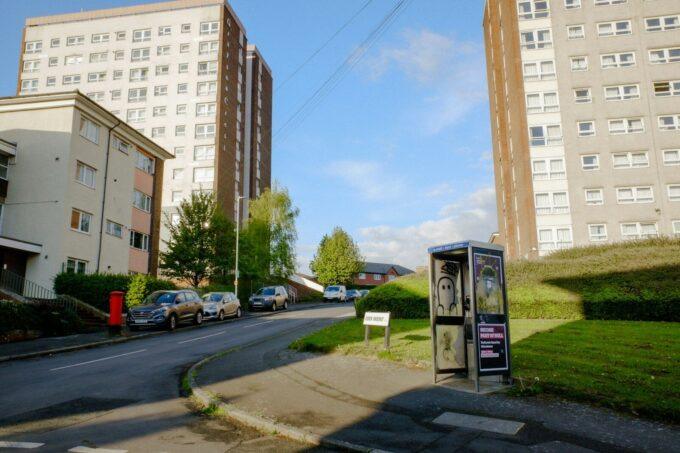
– Urban addresses
– Suburban areas with FTTP planned
– Properties already receiving 100+ Mbps
– Areas covered by commercial rollout plans
– Single premises wanting individual connection (must be group project)
Voucher Amounts Explained
Residential Vouchers
Standard residential voucher: £1,500
What this covers:
For typical installations, £1,500 covers:
– Connection to existing nearby infrastructure (~300-500m)
– Standard installation labour
– Standard equipment
When you need more:
If installation costs exceed £1,500, you’ll need:
– Additional premises joining (more vouchers)
– Personal contribution to top up
– Business premises joining (higher value vouchers)
Business Vouchers
Small business voucher: £3,500
Qualifying businesses:
– Fewer than 250 employees
– Annual turnover under €50 million OR balance sheet under €43 million
– Not already receiving other state aid exceeding limits
What counts as business premises:
– Registered business addresses
– Self-employed home offices (if formally registered)
– Agricultural businesses
– Tourist accommodation (B&Bs, holiday lets)
Pooling Vouchers
This is KEY: Vouchers pool across multiple premises for larger projects.
Example project:
– 5 homes (5 × £1,500 = £7,500)
– 2 businesses (2 × £3,500 = £7,000)
– Total voucher pool: £14,500
This funds significant infrastructure:
– New fibre cable runs from nearest exchange
– Trenching/ducting work
– Multiple property connections
Minimum project size: 2 premises (smallest possible project: 2 homes = £3,000)
How the Scheme Works: Step-by-Step
Phase 1: Check Eligibility
1. Check your postcode
Use government checker at: gigabitvoucher.culture.gov.uk
2. Check current speeds
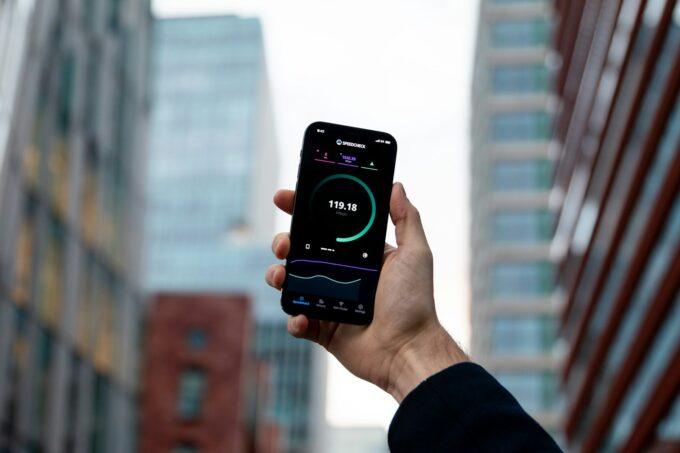
Run speed test at speedtest.net
– Under 100 Mbps = potentially eligible
– Over 100 Mbps = ineligible
3. Check commercial plans
Visit Openreach, CityFibre, and local altnet websites
– Check if full fibre planned for your area within 12 months
– If yes, you’re ineligible
Phase 2: Find Neighbours
You can’t do this alone (minimum 2 premises):
Finding participants:
– Speak to immediate neighbours
– Post on community Facebook groups
– Ask at village halls, post offices
– Contact parish council
– Use community noticeboards
What to tell them:
“The government offers vouchers worth £1,500-£3,500 per property to install gigabit broadband. We need at least 2 properties to apply. Interested?”
Aim for 3-5+ properties:
More participants = more funding = better viability
Phase 3: Find Registered Supplier
Only registered suppliers can run voucher projects. You can’t apply directly to government—must work through supplier.
Finding suppliers:
– County council websites
– Connecting [County] broadband programmes
– Community fibre initiatives
Major suppliers offering GBVS projects:
– Openreach (via community fibre partnerships)
– CityFibre
– Netomnia
– Voneus
– Grain Connect
– Broadway Partners
– County Broadband
– Freedom Fibre
– Gigaclear
– Many local providers
Contact multiple suppliers:
– Describe your location
– Mention number of interested premises
– Ask for feasibility assessment
– Request cost estimates
Phase 4: Feasibility and Quotes
Supplier will assess:
Technical feasibility:
– Distance from nearest fibre infrastructure
– Route options (overhead poles vs underground ducting)
– Obstacles (rivers, railways, motorways)
– Wayleave requirements (permission from landowners)
Cost calculation:
– Labour costs
– Material costs (cable, ducting, poles)
– Equipment costs
– Contingency for unexpected issues
Quote structure:
– Total project cost: £X
– Less voucher funding: £Y
– Customer contribution needed: £X – £Y
Example quote:
– Total cost: £12,000 for 6 homes
– Vouchers: £9,000 (6 × £1,500)
– Customer contribution: £3,000 (£500 per home)
Phase 5: Application
Supplier handles application on behalf of the group:
Supplier submits:
– Project registration
– Premise details for all participants
– Technical plans
– Cost breakdown
– Voucher allocation requests
Processing time: 2-6 weeks typical
Approval criteria:
– All premises meet eligibility
– Technical solution viable
– Costs reasonable
– Supplier properly registered
– Minimum project size met
Phase 6: Installation
Once approved:
Timeline: 3-12 months depending on project complexity
Process:
During installation:
– Supplier manages all work
– Voucher funds released in stages
– Customer contributions collected
– Equipment installed at each premise
Final steps:
– Connection live-tested
– Broadband service activated through chosen ISP
– Voucher scheme formally closed
Costs to You
Zero-Cost Scenarios
Sometimes vouchers cover EVERYTHING:
– Small, simple projects
– Properties close to existing infrastructure
– Straightforward installations
Example: 3 homes 400m from fibre cabinet, easy routing
– Total cost: £4,000
– Vouchers: £4,500 (3 × £1,500)
– Customer cost: £0
Typical Customer Contributions
More commonly:
– Vouchers cover 50-80% of costs
– Customer tops up remainder
– Contributions £200-£1,000 per premise typical
Example: 8 properties requiring 2km new cable
– Total cost: £18,000
– Vouchers: £12,000 (8 × £1,500)
– Customer contribution: £6,000 total (£750 each)
When Costs Get Higher
Rural/difficult projects:
– Long distances (5+ km from infrastructure)
– Complex terrain
– Significant obstacles
– Few participating premises
Can result in:
– Customer contributions £2,000-£5,000+ per property
– Project becomes unviable
– Need to recruit more participants to increase voucher pool
Choosing Your ISP After Installation
Important: Voucher funds infrastructure, not broadband service itself.
After installation complete:
– Infrastructure is built
– You can choose ANY ISP using that network
– Shop around for best broadband package
ISP options depend on network:
– Openreach infrastructure: 600+ ISP choices
– CityFibre infrastructure: 20-30 ISP choices
– Independent altnet: Often 1-3 ISP choices
Typical costs:
– Installation: Funded by vouchers (+ possible contribution)
– Monthly service: £25-45/month (normal broadband pricing)
– Contract: Usually 12-24 months
Common Problems and Solutions
Problem: Can’t Find Enough Neighbours
Solutions:
– Expand search radius (1-2km)
– Contact Parish Council to spread word
– Use social media/community groups
– Consider including businesses (higher voucher values)
– Some suppliers help recruit participants
Problem: Quote Exceeds Voucher Value
Solutions:
– Recruit more participants (more vouchers)
– Explore alternative routing (cheaper options)
– Get quotes from multiple suppliers
– Wait for commercial rollout plans (if expected soon)
– Consider alternative technologies (5G, satellite) if voucher project unviable
Problem: Premises Deemed Ineligible
Reasons for ineligibility:
– Commercial rollout planned within 12 months
– Currently receiving 100+ Mbps
– Urban location (not rural classification)
– Already using different government funding
Solutions:
– Check eligibility data accuracy
– Appeal decision if incorrect
– Wait for rollout plans to change
– Consider alternative programmes
Problem: Supplier Says Project Unviable
Reasons:
– Too expensive relative to voucher pool
– Technical obstacles too significant
– Insufficient participants
– Wayleaves refused by landowners
Solutions:
– Try different suppliers
– Increase participant numbers
– Explore different routes
– Wait and try again later (circumstances change)
Alternative Funding Options
If GBVS doesn’t work:
Project Gigabit
Government’s main rural rollout programme:
– Targets premises with no commercial plans
– Delivered through large contracts in regions
– Check if your area covered: gov.uk/guidance/project-gigabit
Local Authority Schemes
County-level broadband programmes:
– Additional subsidies sometimes available
– Connecting [Devon/Cambridgeshire/etc.] programmes
– Contact your County Council
Community Initiatives
Community-funded projects:
– Villages/parishes self-funding infrastructure
– Combining GBVS with community contributions
– Examples: B4RN (community fibre in Lancashire)
Checking Application Status
Contact your registered supplier:
– They manage application on your behalf
– Can check status with Building Digital UK (government body)
– Timelines vary but expect 4-12 weeks for decision
If delays exceed 12 weeks:
– Chase supplier for update
– Request they escalate with government
– Consider contacting Building Digital UK directly
Post-Installation: What You Get
Once complete:
– Gigabit-capable connection (1,000+ Mbps)
– Usually symmetric speeds (upload = download)
– Modern, future-proof infrastructure
– Property value increase (faster broadband increases values)
– Access to remote work opportunities
– Better quality of life (streaming, gaming, etc.)
Performance:
– 1,000 Mbps (1 Gbps) download typical
– 1,000 Mbps upload typical (symmetric)
– Sub-10ms latency
– Reliable, weather-independent connection
Is It Worth the Effort?
Absolutely YES for most rural properties.
Benefits:
– Transform unusable 5 Mbps to gigabit speeds
– Often minimal personal cost (vouchers cover most/all)
– Future-proof your property for decades
– Increase property value
– Enable remote work
– Improve quality of life dramatically
Time investment:
– Finding neighbours: 1-4 weeks
– Supplier quotes: 2-4 weeks
– Application: 4-12 weeks
– Installation: 3-12 months
– Total: 6-18 months start to finish
For properties with terrible broadband: 100% worth the effort
The Gigabit Voucher Scheme transformed thousands of rural UK properties from digital deserts to hyperconnected hubs.
If you’re struggling with slow ADSL or no broadband at all, this scheme offers genuine opportunity to get world-class connectivity at minimal cost.
The key requirements:
Start by checking eligibility, then speak to neighbours. The initial conversations take 10 minutes—but can lead to gigabit broadband that transforms your property.
Don’t wait for commercial rollout that may never come. If you qualify, apply now. Voucher scheme funding is finite and won’t last forever.
Your rural property deserves 21st-century broadband. The government is offering to pay for it. Take them up on it.