Vodafone will use Amazon’s satellite constellation to connect remote mobile phone masts across Europe and Africa, marking a major shift toward space-based infrastructure for one of the world’s largest telecoms operators.
The British-based company signed an agreement with Amazon’s Project Kuiper—now branded Amazon Leo—to provide backhaul services linking 4G and 5G towers to Vodafone’s core network via low Earth orbit satellites.
Racing to Connect the Unconnected
Amazon’s satellite internet service remains in commercial beta phase, with only 180 of its planned 3,236 satellites currently operational. The constellation needs at least 500 satellites for basic global coverage.
Vodafone plans to deploy the service first in Germany and other European markets in 2026, before expanding across Africa through its Vodacom subsidiary. The UK operation, now merged with Three as VodafoneThree, will have the option to use the service if needed.
“We’re looking to space to connect more mobile base stations to our core network, and strengthen resilience even in the most challenging environments,” said Margherita Della Valle, Vodafone Group CEO.
Technical Limitations Versus Practical Benefits
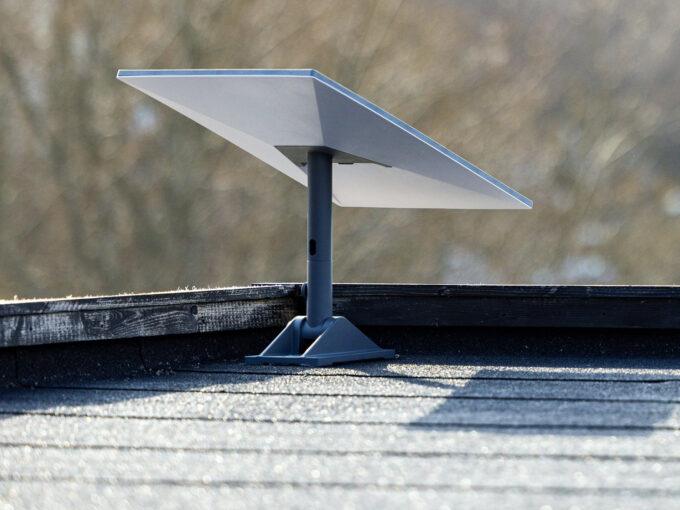
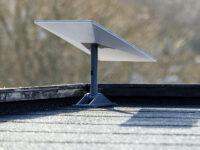
Amazon Leo’s Ultra terminals offer download speeds up to 1Gbps and uploads of 400Mbps—significantly slower than fiber optic connections that can handle multiple gigabits per second.
However, the satellite solution eliminates the time and expense of installing fiber cables or fixed wireless links to remote locations. Rural communities in mountainous regions of Scotland, remote parts of Eastern Europe, and vast stretches of the African continent could benefit from improved mobile coverage.
Industry analysts estimate fiber installation costs can reach £50,000 per kilometer in challenging terrain, making satellite backhaul economically attractive for low-traffic rural sites.
Emergency Backup Networks
Beyond expanding coverage, Vodafone plans to use Amazon’s satellites as backup connections when floods, storms, or other disasters damage terrestrial infrastructure.
During Storm Eunice in 2022, Vodafone lost connectivity to 127 base stations across the UK when high winds severed fiber cables. Satellite backup could have maintained service to affected communities.
“Connectivity shouldn’t depend on where you live,” said Panos Panay, Senior Vice President of Amazon Devices & Services. “We’re helping bring fast, reliable broadband to places traditional infrastructure can’t easily reach.”
Billion-Dollar Space Race
Amazon’s total investment in Project Kuiper approaches £15 billion, with launches scheduled through rockets from ULA, Arianespace, Blue Origin, and SpaceX. Full deployment should complete by 2031.
The partnership represents a different approach from Vodafone’s existing space venture with AST SpaceMobile, which aims to provide direct satellite-to-smartphone connectivity without requiring special equipment.
While AST SpaceMobile targets consumer devices directly, Amazon Leo focuses on infrastructure—connecting cell towers rather than individual phones.
Competition Heating Up
The announcement follows O2’s recent launch of satellite connectivity for regular smartphones through its O2 Satellite service, making it the first UK mobile operator to offer direct satellite-to-device capabilities.
Three major satellite internet providers now compete for telecom partnerships: SpaceX’s Starlink leads with over 5,000 operational satellites, while Amazon Leo and OneWeb race to establish market position.
Vodafone operates mobile networks serving 300 million customers across 21 countries, making it an attractive partner for satellite operators seeking large-scale deployment opportunities.
Coverage Expansion Timeline
Initial connections will focus on Germany, where Vodafone operates Germany’s second-largest mobile network with over 32 million customers. The company identified 1,200 potential sites where satellite backhaul could improve coverage or provide redundancy.
African deployment through Vodacom will target South Africa, Tanzania, Kenya, and other markets where fiber infrastructure remains limited outside major cities.
Rural areas across these regions often rely on expensive microwave links or remain completely unserved, creating opportunities for satellite-based solutions.
The partnership positions Vodafone to accelerate 5G rollout in previously unreachable locations while Amazon gains a major customer for its emerging satellite internet business ahead of full commercial launch.