Business broadband speeds
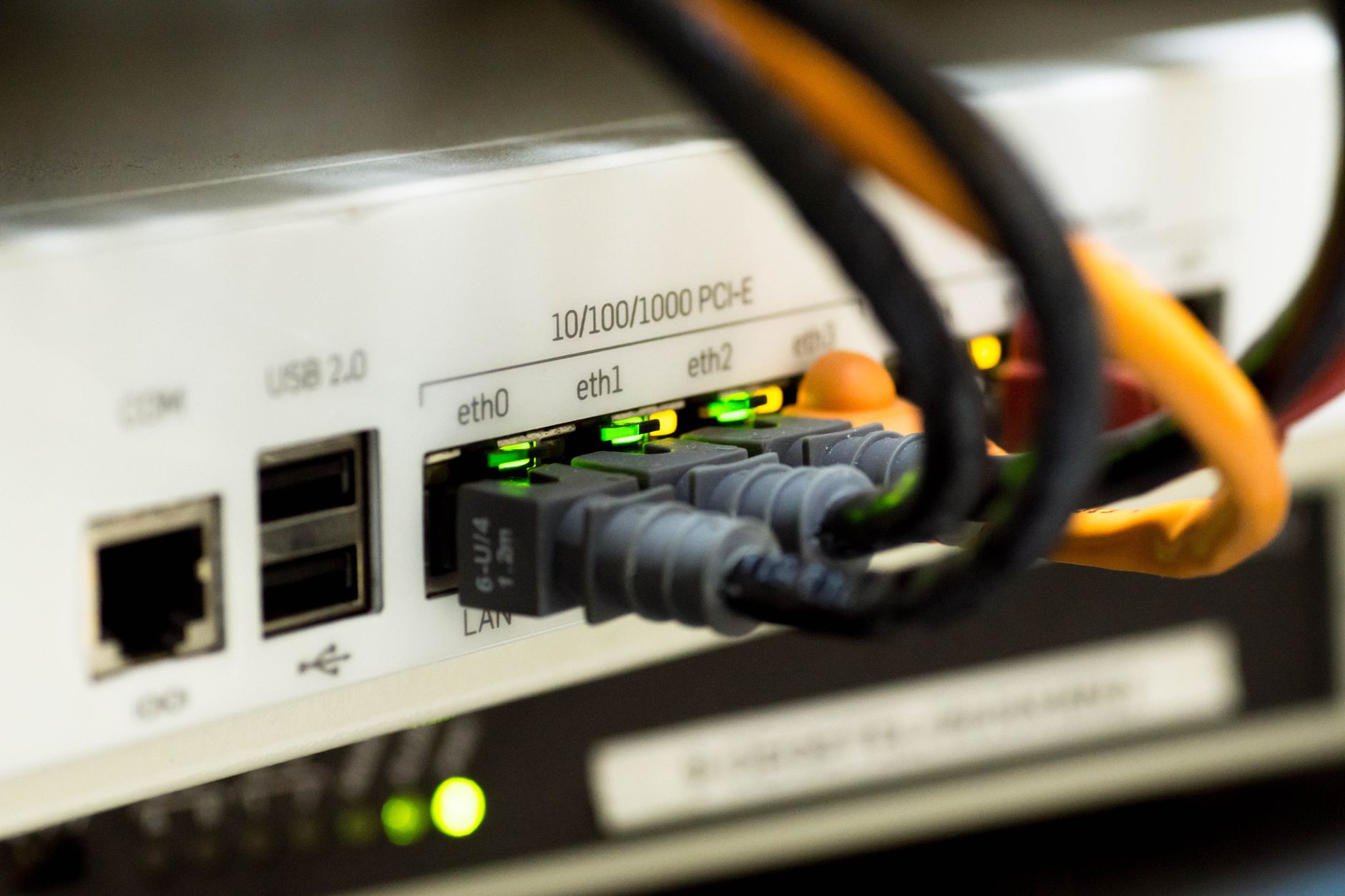
Choosing the right broadband speed for your business isn't about simply getting the fastest package available—it's about matching your connectivity to your actual needs whilst keeping costs manageable. Business broadband speeds vary dramatically depending on the technology used, from basic ADSL connections to ultrafast full-fibre services, and selecting the wrong tier can either waste budget or cripple productivity.
Understanding business broadband speed terminology
When comparing business broadband packages, you'll encounter several speed-related terms that work differently than you might expect.
Download speed measures how quickly data travels from the internet to your business premises. This affects how fast you can load websites, download files, stream video, and access cloud-based software. Most business activities rely heavily on download speed.
Upload speed measures data travelling from your premises to the internet. This matters when sending emails with attachments, video conferencing, uploading files to cloud storage, or backing up data. Many businesses underestimate upload requirements until they experience bottlenecks.
Symmetric vs asymmetric connections refer to the relationship between download and upload speeds. Standard broadband typically offers asymmetric speeds (like 67Mbps down, 20Mbps up), whilst dedicated leased lines and some full-fibre packages provide symmetric speeds where both directions match.
Contention ratio indicates how many users share the same connection capacity. Business broadband typically has lower contention (often 20:1 or better) compared to residential services (50:1), meaning more consistent speeds during peak hours.
Speed requirements by business size and activity
Different business operations require vastly different bandwidth. Here's a practical framework:
Micro businesses (1-5 employees)
For small offices with basic needs—email, web browsing, cloud accounting software, and occasional video calls:
- Minimum acceptable: 30-40Mbps download, 10Mbps upload
- Comfortable working speed: 50-80Mbps download, 15-20Mbps upload
- Technology: Standard FTTC or cable broadband usually sufficient
Small businesses (6-20 employees)
With multiple simultaneous users, regular video conferencing, cloud-based CRM systems, and file sharing:
- Minimum acceptable: 80-100Mbps download, 20Mbps upload
- Comfortable working speed: 150-300Mbps download, 50-100Mbps upload
- Technology: FTTP (full-fibre) increasingly necessary; SOGEA or cable as alternatives
Medium businesses (21-100 employees)
Requiring reliable speeds for extensive cloud software, VoIP phone systems, video conferencing across multiple rooms, and substantial file transfers:
- Minimum acceptable: 300-500Mbps symmetric or near-symmetric
- Comfortable working speed: 500Mbps-1Gbps symmetric
- Technology: FTTP with business-grade SLAs or consider dedicated leased lines
Large businesses (100+ employees)
Needing guaranteed bandwidth for mission-critical operations, multiple locations, and high-volume data transfers:
- Minimum acceptable: 1Gbps symmetric
- Comfortable working speed: Multiple bonded connections or 10Gbps+ leased lines
- Technology: Dedicated leased lines (EFM, EoFTTC, or Ethernet) with guaranteed speeds and stringent SLAs
Broadband technologies and realistic speeds
The technology connecting your premises fundamentally determines available speeds:
ADSL/ADSL2+ uses traditional copper phone lines and delivers 1-24Mbps download, 0.5-1.5Mbps upload. This legacy technology struggles with modern business demands and should only be used where no alternatives exist.
FTTC (Fibre to the Cabinet) brings fibre to the street cabinet, then uses copper for the final stretch. Typical speeds: 40-80Mbps download, 10-20Mbps upload. Widely available but increasingly inadequate for growing businesses.
FTTP/FTTH (Full Fibre) delivers fibre directly to your premises, offering 100Mbps to 1Gbps+ speeds with much better upload performance (often 50-100Mbps or symmetric). This represents the current sweet spot for most SMEs.
Cable broadband (Virgin Media Business) provides 50Mbps to 1Gbps+ in areas covered by their network, with decent upload speeds (typically 10-50Mbps depending on package).
Leased lines offer guaranteed symmetric speeds from 10Mbps to 10Gbps+, with contractual SLAs and uncontended bandwidth. Expensive but essential for businesses requiring absolute reliability.
How to calculate your business bandwidth needs
Rather than guessing, calculate requirements systematically:
List simultaneous activities: Document everything happening concurrently during peak business hours—video calls, cloud software, uploads, downloads, VoIP calls
Estimate bandwidth per activity:
- Email and web browsing: 1-2Mbps per user
- Cloud software (Office 365, Salesforce): 2-5Mbps per active user
- HD video conferencing: 3-5Mbps per participant
- VoIP calls: 0.5-1Mbps per line
- File transfers: variable, but budget 10-50Mbps for regular use
Add a 30-50% buffer: Don't spec exactly to calculated requirements—allow headroom for growth and unexpected demands
Consider upload separately: Many businesses focus on download speeds but then struggle with uploads. If you regularly send large files, back up to cloud, or host video meetings, prioritise upload capacity
Service Level Agreements and guaranteed speeds
Business broadband differs from residential services primarily through contractual guarantees:
Best efforts services make no speed promises. Most standard business broadband operates this way, offering "up to" speeds that may vary. Suitable for businesses with flexible needs and backup options.
Managed services include service level agreements (SLAs) guaranteeing minimum speeds, maximum downtime limits, and fix-time commitments. These cost more but provide recourse when speeds fall below agreed levels.
Leased line SLAs typically guarantee:
- 100% of contracted bandwidth available 24/7
- Fix times between 4-48 hours depending on tier
- Compensation for SLA breaches
- Proactive monitoring
For businesses where connectivity directly impacts revenue or operations, paying extra for guaranteed speeds and rapid fault resolution proves worthwhile.
Monitoring and optimising business broadband speeds
Once connected, actively manage performance:
- Run regular speed tests during different times of day using services like Ookla or Fast.com, but also use your provider's official test for contractual disputes
- Monitor bandwidth usage through your router or dedicated monitoring tools to identify bottlenecks and heavy users
- Implement Quality of Service (QoS) rules prioritising critical traffic like VoIP and video conferencing over bulk file transfers
- Review capacity quarterly as business grows and cloud adoption increases—bandwidth requirements typically increase 20-50% annually
- Consider redundancy with a secondary connection from a different provider and technology for business continuity
When to upgrade your business broadband speed
Watch for these warning signs indicating you've outgrown your current connection:
- Video calls regularly freeze or drop quality
- Cloud software becomes sluggish during normal working hours
- File uploads take prohibitively long
- Multiple complaints from staff about slow internet
- You're actively avoiding bandwidth-intensive activities due to connection limitations
- Your business has grown 30%+ in headcount since last reviewing connectivity
Future-proofing speed requirements
Business bandwidth demands consistently increase. When selecting a package:
- Choose providers and technologies offering easy upgrade paths
- If FTTP is available, use it even if current needs don't demand it—the headroom will prove valuable
- Consider slightly over-speccing rather than barely meeting current needs
- Review contracts for flexibility—avoid long fixed-term contracts on potentially inadequate speeds
- Factor in emerging needs like increased video collaboration, cloud migration, or hybrid working
Key takeaways
- Business broadband speeds must match your actual operational needs—calculate requirements based on simultaneous users and activities rather than guessing or choosing the cheapest option
- Upload speeds matter as much as downloads for modern businesses using cloud services, video conferencing, and backup solutions, yet many overlook this when comparing packages
- Technology matters enormously—full-fibre connections (FTTP) offer dramatically better speeds and reliability than older copper-based services, whilst leased lines provide guaranteed performance for critical operations
- Service Level Agreements provide contractual guarantees for speed and uptime that best-efforts connections lack, making them essential for businesses where connectivity directly impacts revenue
- Regular monitoring and quarterly capacity reviews ensure your broadband keeps pace with business growth and changing requirements, typically increasing 20-50% annually

Paul Madden
Paul founded Broadband Provider to give UK households an independent, commercially-transparent guide to home broadband. He sets the strategy for the site, approves every story before it is published, and has final editorial sign-off on reviews, guides and corrections.
He also oversees commercial partnerships, running affiliate partnerships and advertising separately from editorial decisions. Commercial terms never influence how deals are ranked or what a review says.