Business broadband with 4G backup
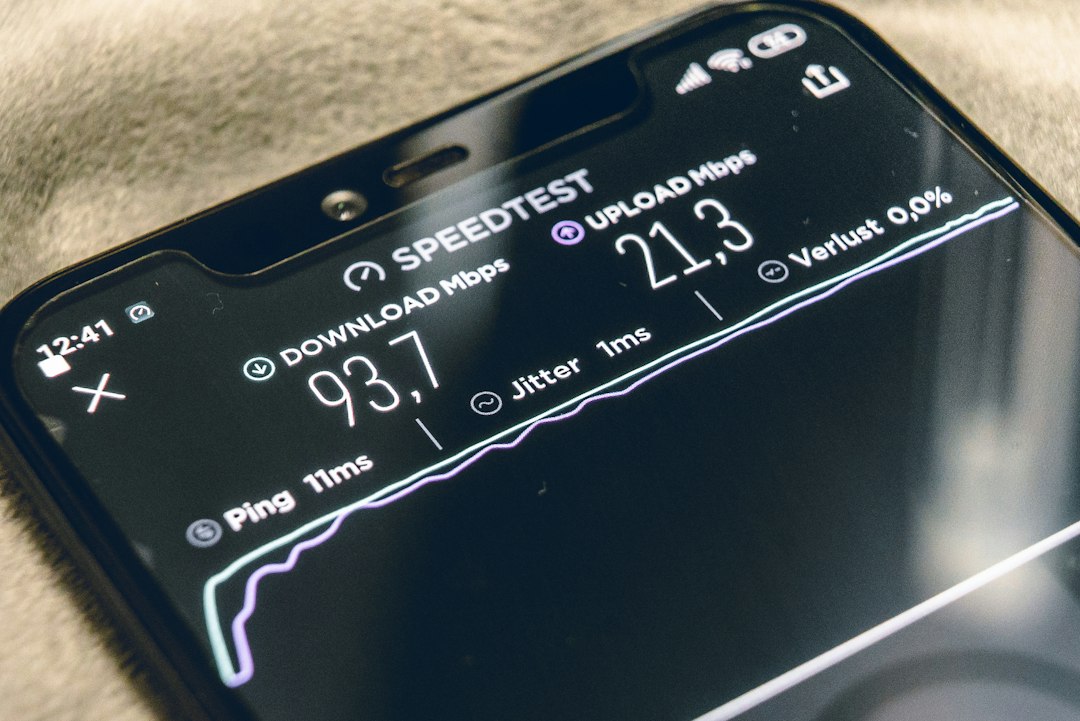
Business broadband with 4G backup provides a fail-safe internet connection that automatically switches to mobile data when your primary fixed-line broadband goes down. For businesses that rely on constant connectivity for transactions, VoIP calls, cloud applications, or remote workers, even a few hours of downtime can cost thousands of pounds in lost revenue and productivity. This guide explains everything you need to know about implementing 4G backup solutions for your business.
What is 4G backup and how does it work?
4G backup (also called failover or bonding) is a secondary internet connection that runs over mobile networks. When your primary broadband connection fails—whether due to a line fault, accidental damage, or service outage—the 4G backup automatically takes over within seconds to minutes, keeping your business online.
The system typically uses a specialist router that monitors your main connection constantly. The moment it detects a failure, it switches all traffic to the 4G connection without requiring any manual intervention. When your primary service is restored, it switches back automatically.
There are two main approaches:
- Passive failover: The 4G connection sits dormant until needed, activating only when the main line fails
- Active bonding: Both connections run simultaneously, combining bandwidth and providing seamless failover with no interruption
Who needs 4G backup?
Not every business requires backup connectivity, but it's essential for organisations where internet downtime directly impacts revenue or operations:
- Retail businesses with card payment terminals and electronic tills
- Financial services requiring constant market access
- Call centres dependent on VoIP phone systems
- Healthcare providers accessing patient records and booking systems
- Professional services with cloud-based practice management software
- Hospitality venues offering guest WiFi as a core amenity
- Remote offices without redundant connectivity options
As a general rule, if an hour of downtime would cost your business more than £100 in lost revenue or productivity, 4G backup is worth considering.
Key benefits of 4G backup solutions
Business continuity
The primary advantage is maintaining operations during outages. UK businesses experience an average of 9 hours of internet downtime per year, with each hour costing small businesses an estimated £1,200 to £4,500 depending on the sector.
Fast automatic failover
Modern systems switch to backup within 30-90 seconds, often before employees even notice a problem. This beats waiting hours or days for an engineer to repair your main line.
Geographic flexibility
Unlike installing a second fixed line (which might run through the same ducts as your primary connection), 4G uses completely separate infrastructure via mobile masts, reducing the risk of simultaneous failures.
Cost-effective redundancy
Compared to leased lines or dual fibre connections, 4G backup typically costs £30-100 per month—significantly less than the expense of full redundant fixed-line services.
Choosing the right provider and package
Major UK providers
Several providers offer business broadband packages with integrated 4G backup:
- BT Business: Offers 4G Assure as an add-on to fibre packages
- Zen Internet: Provides 4G backup with their business broadband services
- TalkTalk Business: Includes failover options on select packages
- Gamma: Offers SureConnect with automatic failover
- Structured Communications: Specialises in bonded and failover solutions
Standalone 4G backup solutions
If your current provider doesn't offer backup, you can implement standalone solutions:
- Draytek routers: Models like the Vigor 2862 include dual-WAN failover
- Peplink devices: Purpose-built for bonding and failover scenarios
- Dedicated 4G routers: From providers like Three Business, EE, and Vodafone
Data allowances and limitations
While 4G backup keeps you online, it's important to understand capacity constraints:
Data caps
Most backup solutions include 50GB to 200GB monthly allowances. This is sufficient for:
- Email and basic web browsing
- Cloud application access
- VoIP calls
- Card payment processing
- Remote desktop connections
However, streaming video, large file transfers, and cloud backups can quickly exhaust this allowance.
Speed considerations
Typical 4G backup speeds range from 20-50 Mbps download and 10-20 Mbps upload, depending on your location and mobile signal strength. This is adequate for essential business functions but slower than most fixed broadband connections.
Managing usage during failover
Some providers offer bandwidth management features that automatically restrict non-essential traffic during backup mode, preserving data for critical applications.
Installation and setup
Implementing 4G backup is typically straightforward:
Provider packages: If choosing a bundled solution, your provider supplies a pre-configured router that arrives ready to use. Installation usually takes 30-60 minutes.
Standalone solutions: You'll need to configure the failover settings in your router, insert the 4G SIM card, and test the automatic switching mechanism.
Testing: Always test the failover by temporarily disconnecting your primary line to ensure the switch happens smoothly and all critical systems remain accessible.
Signal considerations: Position the router where mobile signal is strongest, or use an external antenna if your office has poor 4G reception.
Cost expectations
Budget for these typical costs:
- Monthly backup service: £30-100 depending on data allowance and network quality
- Router hardware: £150-400 if not included in your package
- Installation: Usually free with provider packages, or £50-150 for third-party setup
- Excess data charges: £5-15 per GB if you exceed your allowance
Alternative backup options
5G backup
Where available, 5G offers faster speeds (100+ Mbps) and lower latency than 4G. However, coverage remains limited outside major cities, and costs are typically 20-40% higher.
Dual fixed-line connections
For businesses requiring higher backup speeds, two separate fixed broadband connections from different providers offers true redundancy, though at significantly higher monthly cost (typically £80-200+ for the backup line).
Starlink and satellite backup
For rural businesses without reliable 4G coverage, satellite internet like Starlink can serve as backup, though with higher upfront costs (£460+ for hardware) and latency considerations.
Monitoring and maintenance
Once installed, 4G backup requires minimal maintenance:
- Monitor your data usage monthly to ensure you're within allowances
- Test the failover quarterly by temporarily disconnecting your main line
- Update router firmware when prompted
- Check mobile signal strength if you experience slow backup speeds
- Review your data allowance annually—business needs may change
Key takeaways
- Business broadband with 4G backup automatically switches to mobile data when your main connection fails, typically within 30-90 seconds, preventing costly downtime
- Essential for businesses where internet access directly impacts revenue, such as retail, healthcare, call centres, and financial services
- Monthly costs range from £30-100 depending on data allowance, making it significantly more affordable than maintaining dual fixed-line connections
- Standard packages include 50-200GB data allowances, sufficient for essential operations but not bandwidth-intensive activities like video streaming or large cloud backups
- Test your failover system quarterly and monitor usage to ensure your backup solution will perform when needed most

Paul Madden
Paul founded Broadband Provider to give UK households an independent, commercially-transparent guide to home broadband. He sets the strategy for the site, approves every story before it is published, and has final editorial sign-off on reviews, guides and corrections.
He also oversees commercial partnerships, running affiliate partnerships and advertising separately from editorial decisions. Commercial terms never influence how deals are ranked or what a review says.