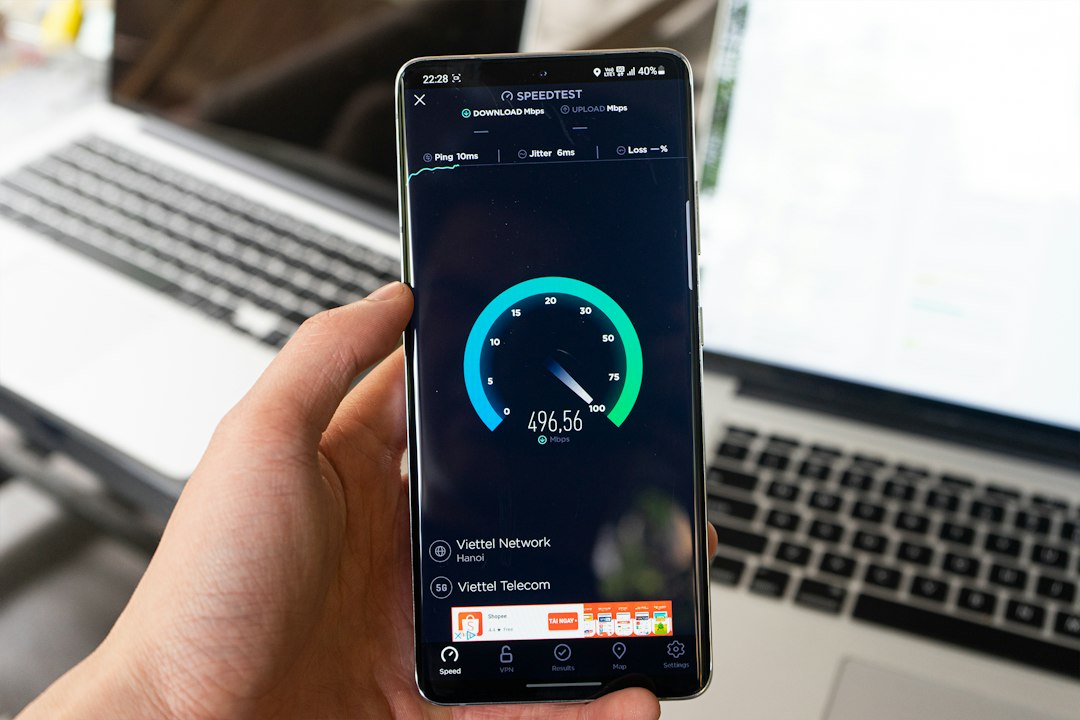
Business broadband vs leased lines

Choosing the right connectivity solution is one of the most critical decisions for any UK business. Business broadband and leased lines represent two distinct approaches to internet connectivity, each with unique advantages and considerations. Understanding the differences between these options will help you select the solution that best matches your operational requirements and budget.
What is business broadband?
Business broadband uses the same infrastructure as residential broadband but comes with enhanced features tailored to commercial needs. Most business broadband connections in the UK operate over standard telephone lines (FTTC) or full fibre (FTTP), delivering speeds typically ranging from 40Mbps to 900Mbps.
The key difference from consumer broadband lies in the service level agreements (SLAs), priority support, static IP addresses, and faster fault resolution times. Business broadband shares network capacity with other users in your area, which means speeds can vary during peak usage times.
Typical business broadband features include:
- Service level agreements guaranteeing response times
- Static IP addresses for hosting servers or remote access
- Enhanced upload speeds compared to residential packages
- Priority telephone support during business hours
- Faster engineer callout times (typically 24-48 hours)
- Multiple email addresses and web hosting options
What is a leased line?
A leased line is a dedicated, uncontended internet connection that runs directly from your business premises to your provider's network. Unlike business broadband, a leased line offers symmetrical speeds (identical upload and download rates) and guaranteed bandwidth that never fluctuates.
Leased lines are delivered via dedicated fibre optic cables installed specifically for your business. This dedicated infrastructure means you're not sharing bandwidth with anyone else, ensuring consistent performance regardless of what other businesses or residents in your area are doing online.
Leased lines typically offer speeds from 100Mbps up to 10Gbps, with the most common installations ranging between 100Mbps and 1Gbps. The installation process is more complex than business broadband, often requiring several months from order to activation.
Speed and performance comparison
Business broadband speeds vary significantly based on your location and the type of connection available. FTTC connections typically deliver 40-80Mbps download and 10-20Mbps upload, whilst full fibre (FTTP) can reach 900Mbps download with upload speeds of 100-220Mbps.
Leased lines provide symmetrical speeds, meaning a 100Mbps leased line delivers 100Mbps both download and upload. This symmetry proves invaluable for businesses that regularly upload large files, use cloud backup solutions, or host their own servers.
Contention also plays a crucial role. Business broadband typically operates on a contention ratio of 20:1 or better, meaning up to 20 businesses may share the same network capacity. During peak hours, this can impact your actual speeds. Leased lines have no contention ratio – you receive your full bandwidth 24/7.
Reliability and service guarantees
Business broadband SLAs typically guarantee fault fix times of 24-48 hours, though some premium packages offer next-business-day fixes. Uptime guarantees usually sit around 99.5%, which translates to potential downtime of roughly 3-4 hours per month.
Leased lines come with substantially more robust SLAs. Most providers guarantee 99.9% to 99.99% uptime, with fault fix times of 5-6 hours. Many leased line contracts include financial compensation if these SLAs aren't met, providing additional reassurance for mission-critical operations.
The dedicated infrastructure of leased lines inherently offers greater reliability. Because you're not sharing infrastructure with other users, you're less vulnerable to network congestion or faults affecting multiple premises.
Installation time and requirements
Business broadband installation is relatively straightforward. If your premises already has a suitable telephone line or fibre connection, activation typically takes 10-20 working days. In some cases, particularly with FTTP where infrastructure is already present, installation can occur within a week.
Leased line installation is considerably more complex and time-consuming. Initial surveys determine the most efficient route for your dedicated fibre connection. Installation typically takes 60-90 days, though this can extend to 120 days or more if significant civil engineering works are required, such as digging trenches or navigating wayleave permissions for running cables across private land.
Cost considerations
Business broadband represents the more economical option, with monthly costs typically ranging from £25 to £100 depending on speed, SLA commitments, and additional features. Installation costs are usually minimal or waived entirely with contract commitments of 12-24 months.
Leased lines require significantly higher investment. Monthly rental costs start around £300-£400 for a 100Mbps connection and can exceed £1,000-£2,000 for 1Gbps services. Installation costs add another £1,000-£3,000 or more, depending on the distance from the nearest network point of presence and any required infrastructure works.
However, the total cost of ownership calculation should factor in potential downtime costs. For businesses where internet connectivity directly impacts revenue or productivity, the additional reliability of a leased line may justify the premium.
Which businesses need leased lines?
Leased lines make most sense for organisations with specific requirements:
- Businesses dependent on real-time applications like VoIP phone systems or video conferencing
- Companies regularly transferring large data files or using cloud-based applications
- Organisations hosting their own servers or services requiring consistent upload speeds
- Multi-site businesses requiring reliable site-to-site connectivity
- Contact centres where call quality depends on consistent bandwidth
- Businesses where internet downtime directly impacts revenue or customer service
Small businesses, startups, and companies with modest connectivity needs typically find business broadband more than adequate for their requirements.
Hybrid and backup solutions
Many businesses adopt a hybrid approach, using a leased line as their primary connection with business broadband as a failover option. This configuration provides the performance benefits of a leased line whilst ensuring continuity if the primary connection fails.
Automatic failover systems can detect leased line outages and instantly switch traffic to the broadband connection, minimising disruption. Whilst the broadband connection may offer lower speeds, it ensures basic connectivity remains available for critical operations.
For smaller businesses, the reverse approach – business broadband as primary with a secondary 4G or 5G backup – often provides adequate resilience at a fraction of the cost.
Making your decision
Start by assessing your actual bandwidth requirements. Monitor your current usage patterns, identifying peak periods and bottlenecks. Consider both present needs and projected growth over the next 2-3 years.
Evaluate the true cost of downtime for your business. If an hour of internet outage costs you hundreds or thousands of pounds in lost productivity or revenue, the investment in a leased line becomes more justifiable.
Consider your upload requirements specifically. Businesses heavily reliant on cloud services, video conferencing, or remote backup solutions often find the symmetrical speeds of leased lines transformative.
Factor in your contract length comfort level. Leased lines typically require 3-5 year commitments, whilst business broadband offers more flexibility with 12-24 month terms.
Key takeaways
- Business broadband costs £25-£100 monthly and suits most small businesses, whilst leased lines cost £300+ monthly and serve organisations requiring guaranteed performance and uptime
- Leased lines provide symmetrical speeds and dedicated bandwidth with no contention, whilst business broadband shares infrastructure and offers asymmetric speeds that may vary during peak times
- Installation timescales differ dramatically: 10-20 days for business broadband versus 60-120 days for leased lines
- Leased line SLAs guarantee 99.9%+ uptime with 5-6 hour fault fixes, compared to business broadband's 99.5% uptime and 24-48 hour repairs
- Consider a hybrid approach using both technologies for maximum reliability, or assess whether enhanced business broadband with 4G/5G backup meets your needs more cost-effectively

Paul Madden
Paul founded Broadband Provider to give UK households an independent, commercially-transparent guide to home broadband. He sets the strategy for the site, approves every story before it is published, and has final editorial sign-off on reviews, guides and corrections.
He also oversees commercial partnerships, running affiliate partnerships and advertising separately from editorial decisions. Commercial terms never influence how deals are ranked or what a review says.