Hey broadband review: cheap full-fibre for the south of England
 Julian Glover
Hey Broadband is one of the smaller fibre networks digging its own cables into homes across the south of England, aiming at streets the larger providers have left on slower connections. It runs fibre all the way into the property rather than to a cabinet down the road, so there is no copper in the last stretch and no phone line to pay for. If you can get it, the pricing is hard to argue with. The obvious question is whether the network and the kit live up to the numbers on the tariff page, and there the picture is mostly good with a couple of honest caveats.
What it costs
The headline deal is Hey! UltraPlay Pro at £19.50 a month for 900 Mbps on a 24-month contract, with no setup fee and £100 in bill credit if you switch using One Touch Switch. That works out at £508 over the two years, and for near-gigabit fibre it undercuts almost everything from the household names. Mesh WiFi Pro and a static IP are included, which makes it a sensible pick if you run anything at home that needs a fixed address, like a game server or remote access.
WorkSmart Pro sits just above it at £21 a month, also 900 Mbps, swapping the static IP for a year of Norton 360 Deluxe. The slower plans are oddly priced: both Megafast 400Mbps and Superfast 150Mbps cost £23 a month, more than either gigabit option. Unless you specifically want a lower speed and the free router and standard installation those two include, the two Pro packages are the better buy. All four run on 24-month terms with no setup fee and the same £100 switching credit.
One thing the tariffs do not tell you is what happens when the deal ends. There is no clear picture of out-of-contract pricing or mid-contract rises here, so budget on the assumption the monthly figure will climb once the initial term is up, and diarise the end date.
Speed and network
The connection is fibre to the premises with symmetrical upload and download, so you get the full quoted speed both ways rather than the meagre upload most cable and part-fibre packages give you. That matters if you send large files, back up to the cloud or do video calls where your outgoing picture keeps freezing on ordinary broadband.
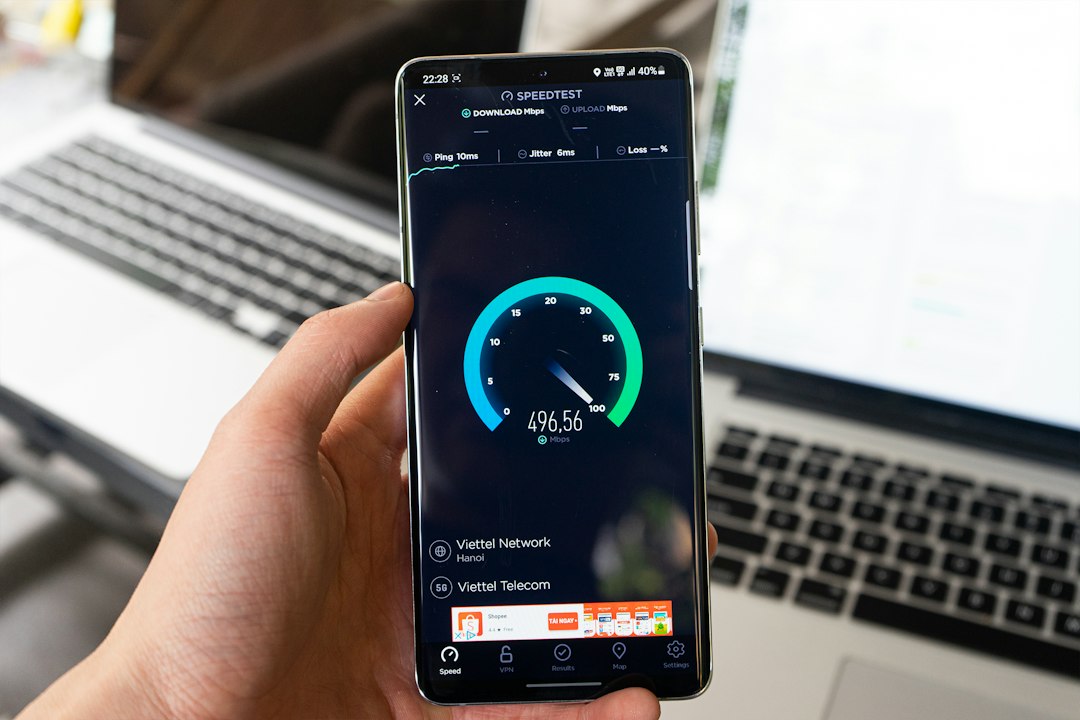
The 900 Mbps figure is the speed to your router, not the speed to your laptop. Reach it and you need a wired connection to a device that can actually handle a gigabit. Over WiFi, and on older phones and laptops, real-world figures land well short, with speeds nearer 400 Mbps reported depending on the device and how far it is from the router. This is not unique to Hey Broadband, it is how home WiFi works, but it is worth setting expectations before you sign up expecting a gigabit on every device in the house. For most homes the point is that even the reduced figure is comfortably fast enough for several people streaming, working and gaming at once.
Router, fees and the social tariff
The Pro packages come with a WiFi 6 mesh router, which is the right call for spreading a fast connection across a house rather than parking a single box by the front door. No phone line is needed, so there is nothing to rent or disconnect on that front.
There is a social tariff for people on Universal Credit, Pension Credit and similar benefits, which is more than some networks of this size bother to offer and worth asking about if you qualify. A failure of the optical modem has been reported by one long-term customer, so hardware faults are not unheard of, though that is a single account rather than a pattern.
Service and the sales approach
Hey Broadband sells partly by knocking on doors in the areas it has wired up, which some people find pushy. You do not have to buy on the doorstep, and I would treat a knock as a prompt to check the deal in your own time rather than a reason to sign there and then.
Beyond that, hard evidence on customer service, installation times and how faults get resolved is thin. One customer reports more than a year of trouble-free service, which is reassuring as far as it goes, but there is not enough here to make a firm call on support quality either way. If reliable help matters to you, go in knowing that is the one area you cannot fully judge in advance.
Who it suits
Hey Broadband makes most sense for a busy household in its southern coverage area that wants fast, symmetrical fibre without paying big-provider prices. At £19.50 a month for 900 Mbps with a static IP, the UltraPlay Pro deal is genuinely cheap for what you get, and remote workers who need decent upload will feel the difference.
Look elsewhere if you are outside the coverage footprint, if you want a short contract rather than a two-year commitment, or if guaranteed support and a known complaints process rank above price. Anyone who only needs a modest connection should note the slower plans cost more than the gigabit ones here, which makes them poor value on their own terms.
Pros
- Full fibre to the property with symmetrical upload and download speeds
- Very competitive pricing, with 900 Mbps from £19.50 a month
- Mesh WiFi 6 router included, plus static IP or Norton 360 on the Pro plans
- No setup fee and £100 switching credit on current deals
- Social tariff available for those on qualifying benefits
Cons
- Coverage limited to parts of the south of England
- Real-world speeds over WiFi fall well short of the 900 Mbps headline
- Slower 150 and 400 Mbps plans cost more than the gigabit options
- 24-month contracts with no clarity on out-of-contract pricing
- Door-to-door selling and limited public detail on support and fault handling
The verdict: a strong-value full-fibre challenger that is well worth signing up to if it reaches your street and you want the two-year commitment. Take the 900 Mbps Pro deal over the slower plans, connect anything that matters by cable, and note the contract end date so the low price does not quietly disappear.
Julian Glover
Julian Glover covers UK home and business broadband, comparing providers, explaining new tech, and helping readers find the right deal for their household.