4Th Utility review: symmetrical full fibre with a coverage catch
 Julian Glover
4th Utility is a broadband-only provider that has been running since 2017, built around full fibre straight into the property with no copper anywhere in the connection. If it reaches your address, it is a genuinely competitive option, with symmetrical upload and download speeds that most of the big names still don't offer on residential plans. The two things standing between you and that are availability and a predictable annual price rise. Both matter, and both are worth understanding before you sign.
Verdict
For households that can actually get it, 4th Utility is easy to recommend. Every plan runs over FTTP, there are no setup or installation charges, no landline or line rental to pay for, and data is unlimited. Upload speeds match download speeds on most tiers, which makes a real difference if you back up to the cloud, work from home over video, or upload large files. Customer service and installation come in for consistent praise, and the range of speed tiers is broad enough to match most homes.
The reasons to hesitate are narrower but real. Coverage is patchy and tied to specific areas, buildings and developments. Prices rise mid-contract by a flat amount each year, and the cheaper introductory rate reverts to a higher standard price once the promotion ends. Support, while generally well liked, has drawn complaints about long waits and slow replies on account queries. None of that is unusual for an altnet, but it should shape your expectations.
Deals and prices
The pricing is layered, partly because 4th Utility sells across its own network, Openreach and CityFibre, and the same headline speed can appear at more than one price depending on the underlying infrastructure. That is worth checking carefully at your address.
The CityFibre-based plans are the sharpest value. On those, 150Mb symmetrical starts at £13.50 a month for the first year (£18 after), 500Mb runs at £18.75 introductory then £25, and full gigabit comes in at £19.50 then £26. There is also a 2.3Gb multi-gigabit tier at £26.25 for the first 12 months, rising to £35. All of these apply a 25 per cent discount for the opening year.
Elsewhere the picture is more mixed. Some plans carry noticeably higher standard rates: a 300Mb package at £40 a month and a 900Mb package at £44 both discount heavily for the first year (£20 and £22 respectively) before jumping to their full price. If two plans at your address offer the same speed, compare the post-promotion figure, not just the opening rate. New customers are sometimes offered extras such as Amazon vouchers on top.
Speeds and network
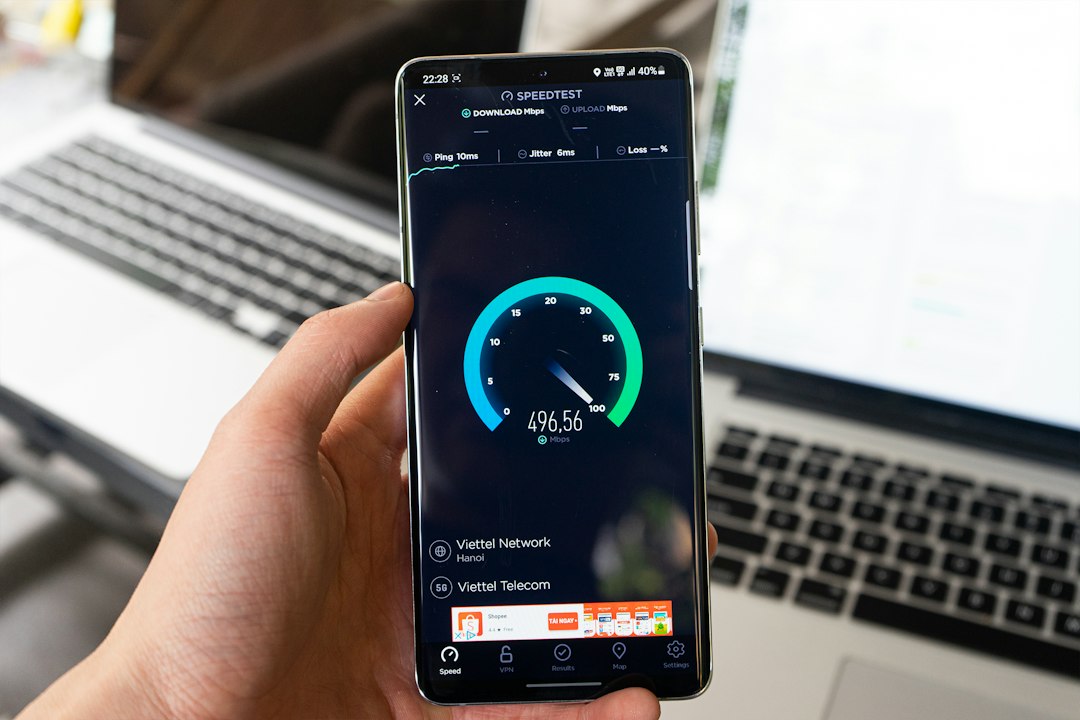
Everything is full fibre to the premises, so the low latency and steady performance that come with FTTP apply across the board. Advertised speeds run up to 2.3Gbps in selected CityFibre areas, with a spread of tiers from 50Mb and 100Mb entry plans through to 900Mb and the multi-gigabit option.
One practical point on the fastest plans: the 1Gb and 2.3Gb tiers need a wired Ethernet connection to reach full speed. Over Wi-Fi alone you will not see the numbers on the box, which is normal for connections this fast but easy to forget when you are paying for a gigabit. For most homes, a mid-range symmetrical tier such as 250Mb or 500Mb will be the sensible pick, and the multi-person, multi-device plans are pitched squarely at that use.
Contract, router and fees
Contracts are flexible by the standards of the market. The headline plans run for 24 months, but 12-month and 30-day rolling options exist too, which is useful if you are renting or unsure how long you will stay put. There are no setup fees on any plan, and no phone line to pay for. If you want a landline number, you will need a separate VoIP provider, since 4th Utility does not offer phone or TV bundles or mobile add-ons. This is broadband and nothing else.
The supplied router is the Icotera i4850-25. Accounts differ on whether it is a Wi-Fi 5 or Wi-Fi 6 unit, so if the wireless standard matters to you, confirm it before ordering.
The annual price increase is the main thing to plan for. It is a flat rise of around £3 a month each year, applied at a set point in the spring. On the CityFibre plans there is a helpful protection: if prices go up, you can leave within 30 days without penalty, so you are not locked in against a rise you didn't expect.
Service and support
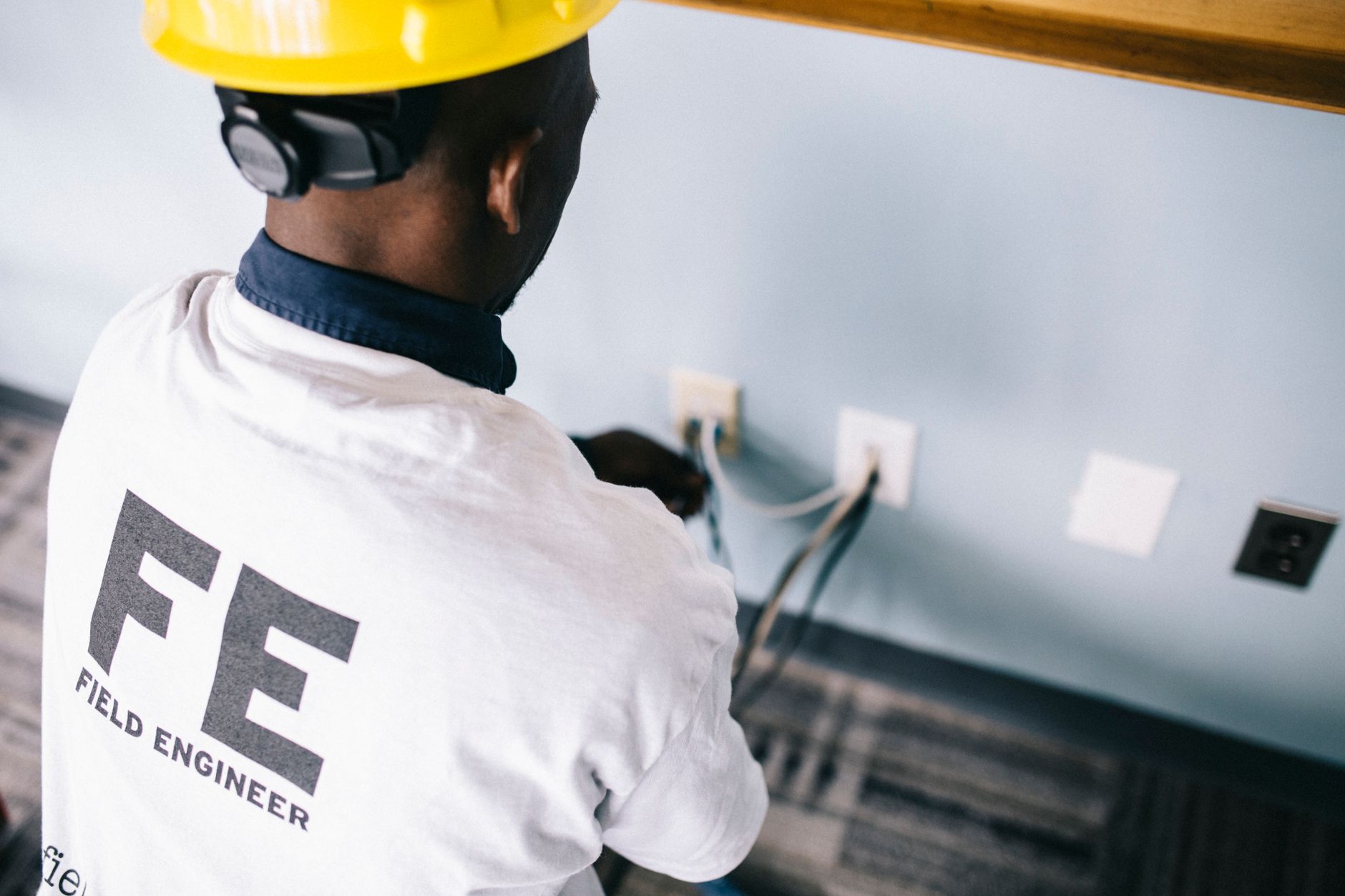
The installation experience is a genuine strength. Engineers are described as turning up on time, keeping customers informed and getting the job done quickly. Day-to-day customer service is generally friendly and clear.
That said, the picture on support isn't spotless. Some customers report long hold times, difficulty getting through, and slow communication on account questions, along with the occasional brief outage. These are not universal, but they come up often enough to note. A social tariff is available for eligible low-income households, which is a welcome inclusion that many altnets skip.
Who it suits
4th Utility makes most sense if it is available at your address, you value fast, symmetrical upload speeds, and you are happy with a broadband-only service. Home workers, people who upload a lot, and multi-device households will get the most from it. The flexible contract lengths suit renters and anyone reluctant to commit for two years.
Look elsewhere if you want everything on one bill. There are no TV, phone or mobile bundles, so you will be juggling providers if you need those. Bargain hunters may also find cheaper entry-level broadband from larger providers, and a handful of rivals push to higher top speeds. And if you simply can't get it, that settles the matter: coverage is the first thing to check and the one thing you can't work around.
Pros
- Full fibre to the property on every plan, no copper in the connection
- Symmetrical upload and download speeds on most tiers
- No setup or installation fees, no line rental
- Unlimited data with no caps
- Flexible 24-month, 12-month and 30-day options
- Well-regarded installation and customer service
- Social tariff for eligible households
Cons
- Availability limited to certain areas and developments
- Flat annual price rise mid-contract
- Standard pricing jumps once the introductory period ends
- Some reports of slow or hard-to-reach support
- No TV, phone or mobile bundles; VoIP needed for a landline
- Fastest plans need a wired connection to hit full speed
Julian Glover
Julian Glover covers UK home and business broadband, comparing providers, explaining new tech, and helping readers find the right deal for their household.