723Km of Barnet roads to be tested for 4G and 5G, with two rounds due within a year
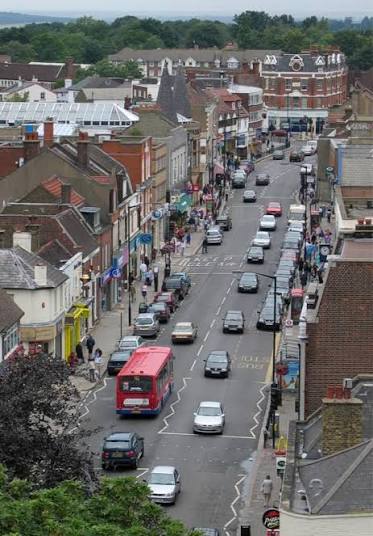
Barnet Borough Council has chosen network analyst Streetwave to carry out the real-world study of 4G and 5G performance, and the appointment was confirmed on 31 October 2026.
All three of the big operators are in scope: EE, O2 and VodafoneThree, the combined Vodafone and Three UK business. Because each one is tested along the same routes, the council gets a direct comparison of what customers on each network experience, based on measurements taken outdoors rather than on coverage predictions.
Two rounds of testing within a year
The survey is planned as a repeat exercise. It is due to run two times during the next 12 months, which gives the council a before-and-after view. If an operator upgrades a mast, or a problem area gets worse, the second round should show it.
A single snapshot can only say how things look on the day. Two sets of results from the same roads allow the council to track whether service is improving, standing still or slipping in particular parts of the borough.
How Streetwave collects the data
Streetwave has run similar projects elsewhere in the UK, and its approach is distinctive. Instead of sending out dedicated survey vehicles, it uses refuse collection lorries. Each lorry carries a number of ordinary consumer handsets running purpose-built software, and these carry out network tests continuously while the vehicle follows its usual collection rounds.
How often a test fires depends on the setting:
- Urban areas: one test every 5m
- Rural areas: one test every 20 metres
The tighter spacing in built-up areas reflects how quickly conditions can change from street to street. Out in the countryside, a longer gap between tests still builds up a usable picture over a long stretch of road.
Since bin lorries cover most residential streets on a regular schedule, the data follows the roads people actually live on and travel along.
What the results will be used for
Local authorities generally use this sort of evidence to spot places that may need intervention, whether that means improving coverage or adding capacity where networks are congested. Barnet will have measured results for each of the three operators to work from, rather than relying on operator-supplied maps.
Residents get a share of the benefit too. Streetwave makes some of its data freely available to the public. People can look up coverage for a specific address, and can also browse interactive maps. In practice, someone in Barnet who wants to know how EE, O2 or VodafoneThree performs near their home will be able to check, at no cost.
The survey does not change anything on the networks by itself. Its value lies in the evidence it gives the council about where service falls short, and in the repeat run that shows how things move over the following months.
Mobile-network home broadband pricing
For readers whose mobile signal is good enough to consider a mobile-network alternative to a fixed line, our own price data (as of 1 November 2026, with availability not checked) shows the following. These listings are not connected to the Barnet survey.
- Three 4G Hub (24 months): £14.00 a month effective.
For comparison, EE's Fibre 67, a fixed-line package advertising 67 Mbps, has a cheapest stored deal of £25.99 a month effective and a BBP Score of 44 out of 100.
Coverage at a given address varies, which is why street-level measurement of the kind Barnet has commissioned matters for anyone weighing up a mobile-based connection.
Broadband deals from this provider
EE: Fibre 67, cheapest stored deal (effective monthly; availability not checked): £25.99 per month (as of 2026-11-01).
EE: BBP Score for Fibre 67: 44 points/100 (as of 2026-11-01).
EE: advertised download for Fibre 67: 67 Mbps (as of 2026-11-01).

Julian Glover
Julian Glover covers UK home and business broadband, comparing providers, explaining new tech, and helping readers find the right deal for their household. Julian is the editor and byline for our reviews, guides and news.