What happens if your broadband provider goes bust in the UK

If you have just lost your connection and you are worried your provider has gone under, here is the short version. In most UK cases the business is sold or rescued and your service carries on with little or no interruption. The real danger point is liquidation, where no buyer is found and the service does stop. Either way, you keep the right to switch to another provider under Ofcom's rules, and card payment protections may help you claw back money you have paid for service you never received.
The rest of this guide walks through exactly what to expect and what to do, with residential and small-business customers covered separately.
First 48 hours: what to do if your internet dies
If you wake up to a dead connection, work through this before assuming the worst:
- Check whether it is just an outage. Try to contact your provider by phone and live chat. If the phones ring out and chat is unavailable, you are probably dealing with more than a local fault.
- Search the news. Look up the company name on your phone using the News tab on Google or Bing. Corporate collapses are almost always reported. If the name appears next to words like "insolvency" or "administration", you may have lost service permanently.
- Stop the payments. Contact your bank and cancel any future direct debit or standing order to the provider, so you are not still paying a failed business for a service you are no longer getting.
- Gather your account details. Dig out your account number, a recent invoice and, if you have a landline, your phone number. You will need these to switch, and they are easiest to collect while any online account still works.
- Line up a replacement. Use mobile data to check which providers cover your postcode, and get a new account set up. There will be a short delay while the account is created and hardware is dispatched. A new provider will not supply a connection through a failed competitor's router.
What it means when a provider goes bust
Broadband firms rarely vanish overnight. Financial trouble usually builds over months, and the stage a provider has reached decides what you actually experience.
Much of the recent risk sits with altnets, the alternative full-fibre networks that built their own infrastructure, such as Grain in Cumbria and County Broadband in East Anglia. Many borrowed heavily to lay fibre during a period of low interest rates and now face higher costs and slower customer take-up than planned. Ofcom has been concerned that a combination of inflation and squeezed household budgets could trigger a wave of failures. Providers that rely on Openreach, like Sky, Plusnet and TalkTalk, are not immune either.
There are several distinct outcomes, and they are not the same thing:
- Notice of intention to appoint administrators is a court filing that shields the company from creditors while its options are weighed. You see no immediate change, and billing and service continue. Many firms recover from this stage.
- Administration means independent administrators take over, usually aiming to sell the business or its assets to a buyer who can keep the service running. In most cases the broadband keeps working because the underlying network keeps running.
- Liquidation is the worst case. No buyer is found, assets are sold off and service stops. This is rare for broadband because the network itself has real value and usually attracts a buyer first.
- Sold as a going concern is the common, reassuring result. A larger ISP or an investor buys the business or customer base, and your contract and service normally transfer to the buyer with little disruption.
The practical lesson: being sold almost always means your service continues, while liquidation is when it is likely to stop. People conflate the two, but they are very different for you.
A recent example shows the usual pattern. G.Network entered administration in January 2026 with around 25,000 customers and roughly £300 million of debt, was acquired by FitzWalter Capital, and exited administration debt-free in March 2026 with service continuing throughout.
Will your internet keep working?
Usually, yes, at least during administration and through a sale. The connection does not drop the moment a company hits financial trouble, because the network keeps operating while administrators look for a buyer.
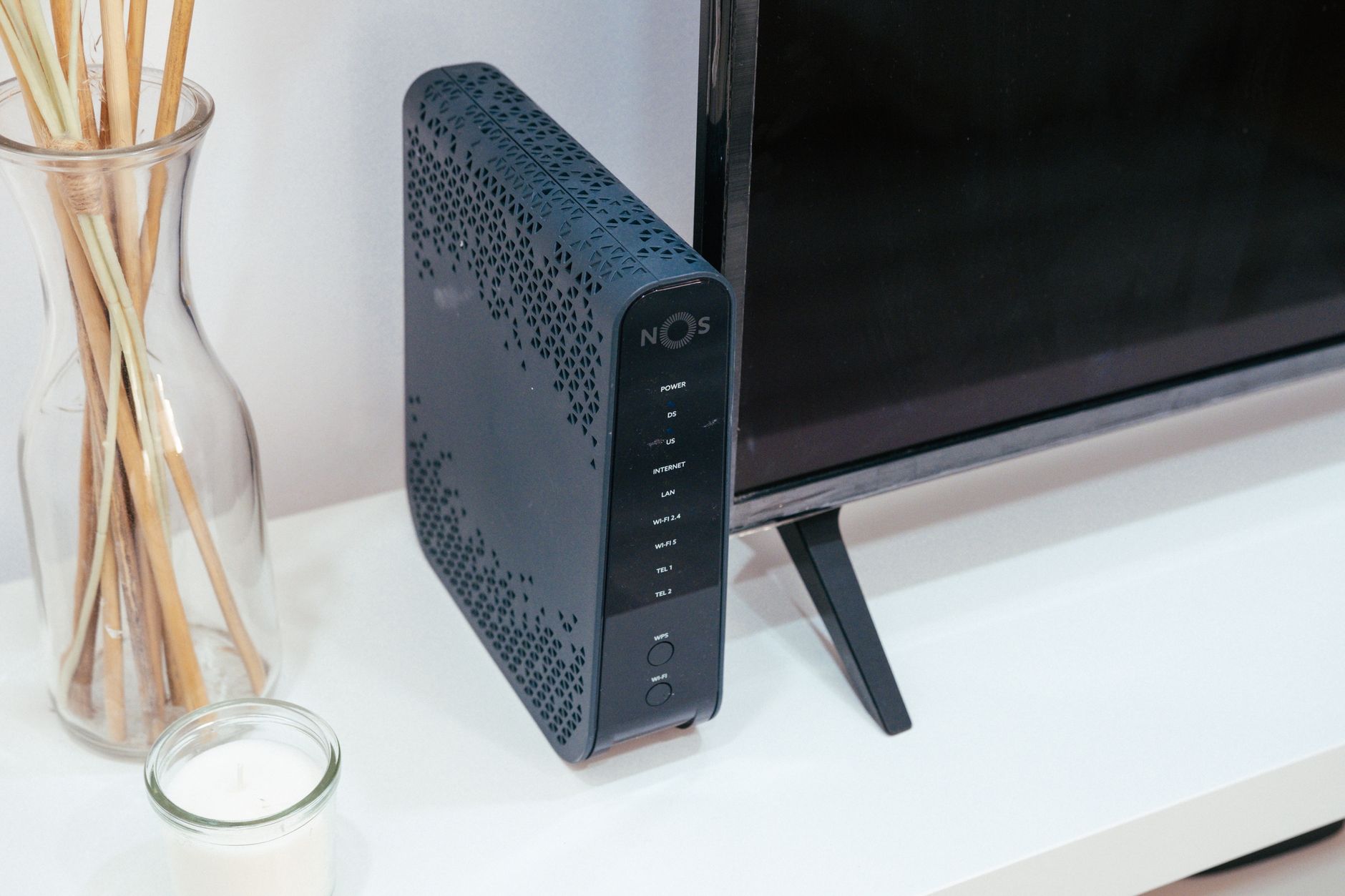
For many households, though, the first sign of a problem is the router simply going dark. If that happens, treat it as the trigger to work through the checklist above rather than waiting to see what the administrators decide.
Is there a safety net like there is for energy?
Not the same one. If your gas or electricity supplier fails, Ofgem appoints a replacement to guarantee continuity. Ofcom does not currently hold that power over broadband, though it is reported to be developing contingency plans along similar lines, with BT widely expected to act as a supplier of last resort given its coverage and resources. For now, keeping yourself connected is largely down to you.
It is worth stating plainly: the Financial Services Compensation Scheme, which protects certain savings and financial products, does not cover broadband. Do not expect that kind of guaranteed payout.
Your contract and money owed
If your provider ceases trading and cannot deliver the service, you should not keep paying for something you are not receiving, which is why cancelling the direct debit early matters. Under Ofcom's rules you always retain the right to switch away, so a collapsing provider does not trap you.
If the business is sold instead, your contract and service normally transfer to the buyer automatically. In that situation you are still under contract, just with a new owner, and your usual switching and exit rights continue to apply.
Can you get a refund?
This is where expectations need managing. When a company becomes insolvent, customers are not at the front of the queue for whatever money is left. A refund claim against the failed business itself may well go unpaid.
Your better route is card protection:
- Section 75 of the Consumer Credit Act can make your credit card provider jointly liable for payments where the single transaction is over £100. That can cover prepaid charges on a credit card.
- Chargeback can apply to debit card payments and lets you ask your bank to reverse a payment for a service that was not provided.
If you have paid in advance for service you never received, a Section 75 or chargeback claim is usually the most realistic way to recover the money.
How to switch to a new provider
Switching is designed to be quick. The One Touch Switch process lets you move to a new provider by dealing mainly with the one you are joining, and a switch can typically complete in around 10 to 15 days if you need one.
Expect a short gap when a provider has already stopped working, because the new account has to be set up and hardware sent out, and the new provider cannot run a connection through the old company's dead router. Where service is still live, aim to get the new connection provisioned and tested before the old one is ceased so you avoid a gap altogether.
Your email and bundled services
An email address tied to your old provider is one of the easily overlooked casualties. If your address ends in the failed provider's domain, it may stop working once the service goes, so move anything important off it: reset logins on other accounts to a independent email address (one you own regardless of your ISP), and tell key contacts your new address. The same logic applies to any other services bundled with the broadband, which should be checked and replaced separately rather than assumed to survive.
Business customers: what is different
Small businesses face the same broadband mechanics but one extra, higher-stakes issue: phone numbers. A number tied to a ceased or failed account can be hard, sometimes impossible, to recover, and a lost business number means lost calls and reprinted marketing.
If you run a business and you are worried about your provider, the priority order is clear:
- Gather your account details, contract and full list of phone numbers while the account is still active.
- Check your contract end date, minimum term and notice period so there are no surprises.
- Line up a stable alternative provider that can take over your numbers and connectivity.
- Start a number port before any line is ceased. This is the critical step. Begin porting numbers to the new provider while the old line is still live, and never let the old account close first.
- Sort broadband continuity separately. Porting a number does not move your broadband, so arrange and, where possible, test the new connection before the old one is switched off.
To port, you sign a Letter of Authorisation, give the new provider a recent invoice and your full number list, and keep the old line live until the port completes. Porting keeps your 999 and 112 emergency registration intact, and it does not automatically cancel your broadband or leased-line contract, so handle those yourself. Porting is covered by Ofcom rules that every provider must follow.
Spotting the warning signs early
You are unlikely to get a letter warning you that a business is about to fail. Earlier signals tend to come through the media. Many Post Office Broadband customers, for instance, learned their provider was being taken over through news coverage rather than a direct notice.
Other signs that a provider is under strain include missed financial targets, cut marketing spend, scaled-back network rollout, redundancies, noticeably slower customer service and rumours in the trade press. None of these guarantees a collapse, but they are a cue to check the news and know your contract position before any decision is forced on you.
When you do choose a provider, weigh financial stability alongside price. A well-funded operator, strong network relationships and genuine UK-based support you can actually reach all reduce the odds of going through any of this.

Julian Glover
Julian Glover covers UK home and business broadband, comparing providers, explaining new tech, and helping readers find the right deal for their household. Julian is the editor and byline for our reviews, guides and news.