Community Fibre review: cheap symmetrical full fibre, if it reaches you
 Julian Glover
Verdict
If your home sits inside Community Fibre's footprint, this is one of the more competitively priced full-fibre options you can buy. It runs its own FTTP network rather than reselling Openreach, and every tier gives you symmetrical speeds, so uploads match downloads. Prices on the lower and mid tiers are genuinely low, service feedback is generally positive, and there is no setup fee or line rental to fold in.
Two things temper that. The network only covers London and parts of the South and Southeast, so most UK homes cannot get it at all. And the company raises prices every April, which you should factor into the running cost before you commit to a two-year deal.
Deals and prices
The headline numbers are low. On a 24-month contract you can get 100 Mbps for £14 a month, 150 Mbps for £15, 500 Mbps for £16 and the 1 Gbps tier (920 Mbps download) for £20. The 2 Gbps plan (2200 Mbps) is £25 a month over 24 months. None of these carry a setup fee, and all include a WiFi 6 router.
The pricing does not always climb neatly with speed. On the 24-month plans, 150 Mbps at £15 and 500 Mbps at £16 both undercut the 75 Mbps tier, which sits at £20, and the 300 Mbps tier at £21. If you are choosing purely on monthly cost, read the full list rather than assuming faster always means dearer.
Shorter contracts cost more each month. A 12-month 100 Mbps plan is £25 against £14 on the 24-month version, and the 18-month 150 Mbps deal is £22 against £15. A 30-day rolling contract is also available for anyone who wants to avoid a long tie-in. There is a 35 Mbps social tariff at £12.50 a month, and a DWP-linked scheme has offered eligible benefit recipients 12 months of free broadband in some London boroughs.
The annual April price increase matters most on the cheapest plans. A stated rise of around £3 to £4 is a small fraction of a £25 monthly bill but a large one on a £14 plan, so the low headline price will not hold for the full 24 months.
Speeds and network
Community Fibre operates its own full-fibre network to the premises, separate from Openreach. That footprint is focused on London and parts of the South and Southeast, including Surrey and Sussex, with an estimated reach of around 1 to 1.5 million homes.
The range of tiers is wide, running from 35 Mbps up to a 5 Gbps option, and every plan is symmetrical, so your upload speed equals your download. That is useful if you regularly send large files, back up to the cloud or work from home with video calls, where standard part-fibre products give you a much slower upload.
The advertised figures for the fastest tiers are based on wired speeds. WiFi speeds are lower, with expected WiFi capped around 950 Mbps on the top tiers, so a device connected over WiFi will not see the full 2 Gbps or higher headline. Treat all these numbers as advertised speeds rather than a measure of what will arrive at your particular address.
Contract, router and fees
Standard terms are clean. There is no setup fee, no line rental and unlimited data on the advertised plans, and a router is included with every tier. The hardware varies by plan: standard tiers ship with Linksys WiFi 6 or MX20 units, and the fastest tiers come with higher-spec Technicolor routers.
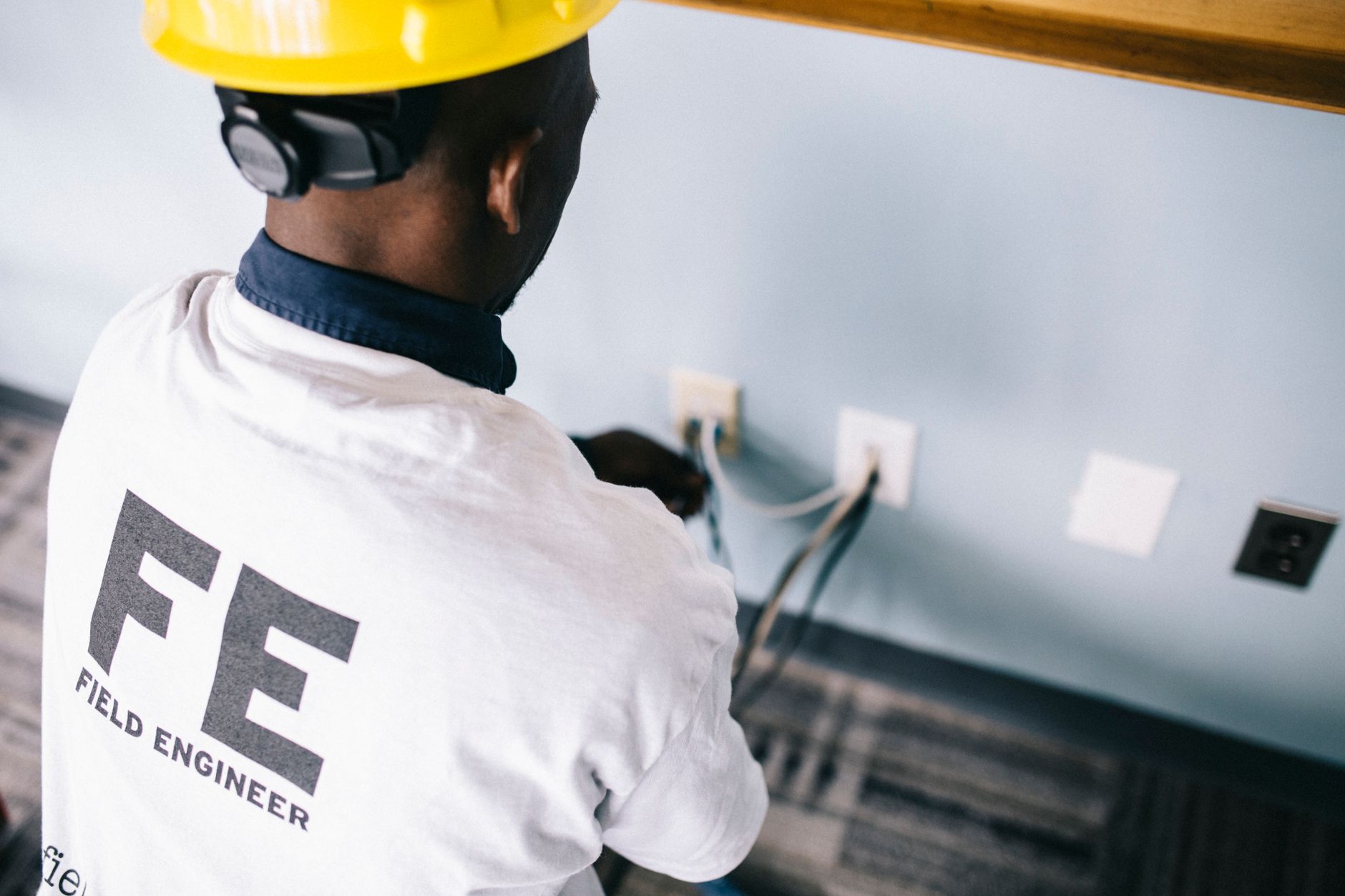
Getting connected usually means an engineer visit to bring fibre into the property and fit a termination point and router. Most standard-home installs are reported to take under two hours.
Contract length is the main decision. The 24-month plans are much cheaper per month than the 12- and 18-month equivalents, so the trade-off is a longer commitment against a lower rate, with the April rise applying either way.
Service and support
Support runs through a customer service helpline, a separate sales line, live chat, a contact form and online troubleshooting guides. Feedback is generally positive, with installation engineers and the responsiveness of support drawing particular praise.
Who should choose it, and who should not
Community Fibre suits homes inside its London and Southern England coverage that want fast, symmetrical full fibre at a low monthly price, especially anyone whose work depends on strong upload speeds. The lower and mid tiers are where the value is clearest.
It is not an option if you live outside the network, which rules out most of the country. And if you dislike the idea of a bill that climbs each April, price that increase in before signing a long contract, particularly on the cheapest plans where it lands hardest in proportional terms.
Pros and cons
Pros
- Low prices on lower and mid-speed tiers, often matching or undercutting larger providers
- Symmetrical upload and download speeds across every tier
- No setup fee, no line rental, unlimited data and a WiFi 6 router included
- Generally positive feedback on installation and support
Cons
- Coverage limited to London and parts of the South and Southeast
- An annual April price rise, which weighs heaviest on the cheapest plans
- Fastest advertised speeds are wired figures; WiFi speeds are lower
Julian Glover
Julian Glover covers UK home and business broadband, comparing providers, explaining new tech, and helping readers find the right deal for their household.