Will your Careline alarm still work after the digital phone switchover? a UK guide

If you or someone you care for uses a Careline or other personal alarm, the short answer is this: your alarm may be affected when your landline is switched to a digital line, but it should not be switched off until your telecare and phone providers are confident your alarm will still work. You do not have to pay to switch your phone line, and you do not need to panic. You do need to make a couple of phone calls.
This guide explains what is happening, how to check whether your alarm is affected, what to do if it is, and who is responsible for keeping you safe through the change.
What the digital phone switchover means for your alarm
The UK is retiring the old analogue telephone network, known as the Public Switched Telephone Network (PSTN). It is being replaced by digital technology that carries calls over an internet connection, using systems with names like Voice over Internet Protocol (VoIP), Digital Voice or All-IP telephony. For most customers, the upgrade is expected to be complete by the end of January 2027.
You may hear the change described in several ways: the PSTN switch off, Digital Voice, the digital switchover, or the switch to VoIP. They all refer to the same thing.
The old network is being replaced because the equipment in the telephone exchanges has reached the end of its serviceable life and parts are no longer manufactured. Ofcom, the telecoms regulator, reported that 2023 saw 20% more service incidents on the PSTN than 2022, and a 60% rise in the service hours lost to customers.
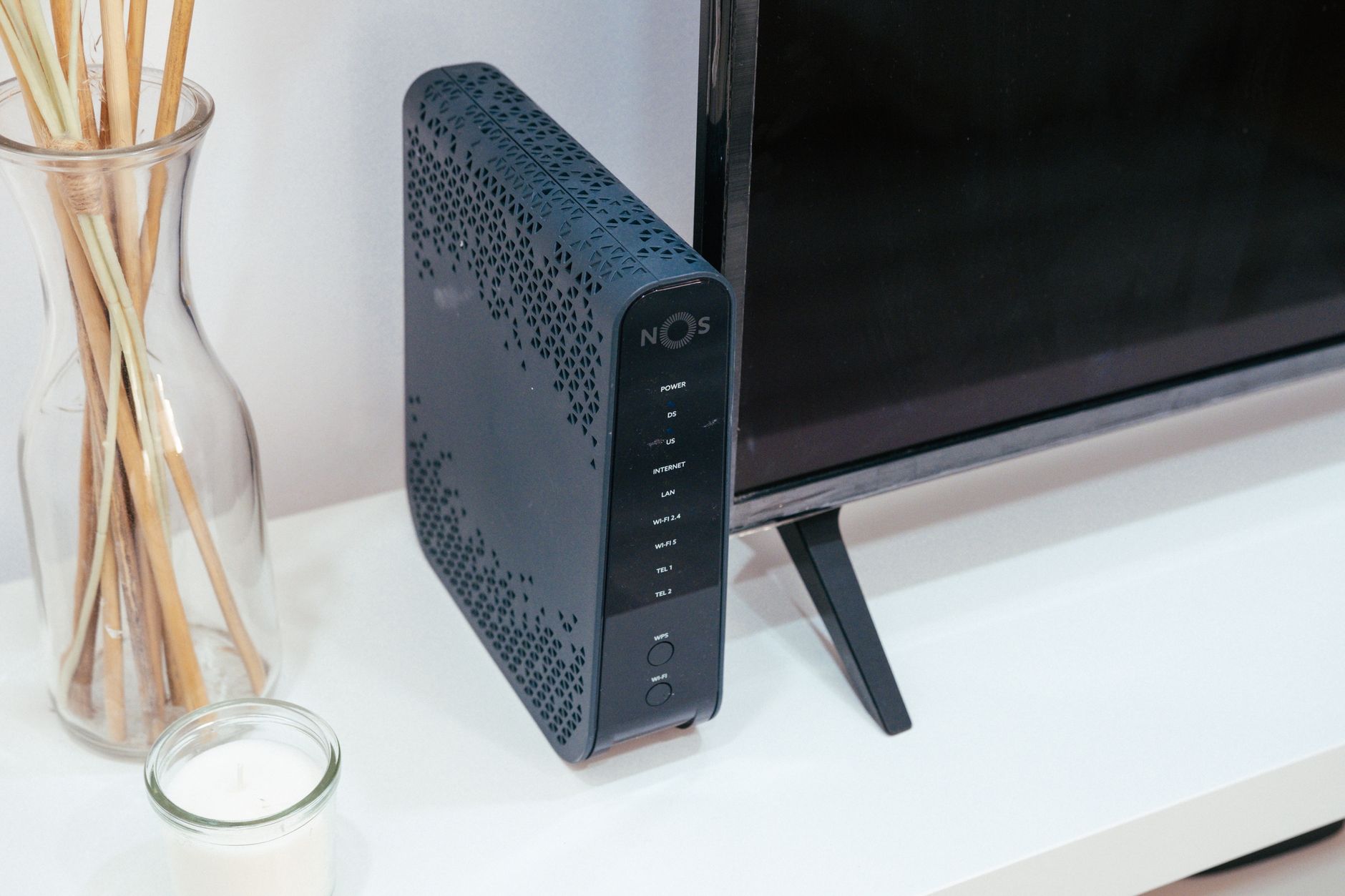
For many households, the practical change is small. If you already have an internet connection, it can be as simple as plugging your phone into your broadband router instead of the socket on the wall. You are not losing your landline. There will still be a landline only option for people who do not want a general internet connection.
The complication is personal alarms. Many of them use the phone line, and that is where you need to take care.
Why some careline and personal alarms stop working after the switch
Personal alarms, pendants and other safety equipment in the home are collectively known as telecare. Many telecare units are analogue, which means they are designed to work over the old phone network by plugging into a telephone socket.
When the line behind that socket becomes digital, an analogue unit may not perform reliably. Industry testing has found that analogue telecare devices can fail a percentage of the time over the new networks, and those failures can take several forms. Because an alarm is only useful if it works every time the button is pressed, this matters.
It is not only personal alarms that can be affected. The same analogue infrastructure is used by things like burglar and fire alarms, lifts, cash machines and some other connected systems. If you have any of these linked to your phone line, speak to that system's provider too.
Telecare providers should no longer be selling analogue units, precisely because they are not compatible with the new network.
How to check whether your Careline alarm is affected
There is an important distinction worth clearing up. "Careline" is used both as a general term for personal alarm services and as the name of specific companies. Careline365, the Careline Community Service in King's Lynn, and Careium are separate organisations, each with their own equipment and upgrade arrangements. Whoever supplies and monitors your alarm is your telecare provider, and they are the people to call about your specific device.
Here is a straightforward way to work out where you stand.
- Look at how your alarm connects. If the base unit plugs into a telephone socket, it is probably analogue and may be affected. If your alarm does not connect to a landline socket at all, for example because it uses a mobile signal, it should be unaffected.
- Identify the unit. Several providers publish photos of their analogue and digital models so you can compare. If you are not sure, your provider's customer services team can usually identify the model for you over the phone.
- Ask the direct question. Contact your telecare provider and ask whether your unit is compatible with a digital phone line. You can do this before you have been told your switch date.
- Weigh your options if it is not compatible. You might be able to use an adaptor that makes your current unit work on a digital line. If an adaptor is not possible, you may need to upgrade or replace the unit. Talk the options through with your provider.
If you are arranging a brand new telecare system, confirm with the provider that it is compatible with a digital phone line before you commit.
Upgrading to a digital-compatible alarm
If your alarm needs replacing, a digital unit is designed to work with the new network. Digital alarms also tend to be more resilient. They do not depend on a working phone line in the same way, many have a backup battery inside the unit, and some connect over a mobile signal rather than broadband, which can be useful if you have no internet at home or weak coverage.
Setting up a digital alarm is often simpler than an analogue one. Some providers offer a plug and play postal option, where you or a relative plug in and test the device and return the old equipment in a prepaid envelope. Others offer or arrange an engineer visit.
Is there a cost?
This varies by provider, so ask yours directly and get the answer in writing before you agree to anything.
- The Careline Community Service in King's Lynn states that upgrade visits are free of charge.
- Careline365 says it is committed to absorbing as much of the cost as it can so members can upgrade without delay.
- Careium says you might pay a bit more depending on your current equipment, and commits to telling you in advance if your monthly payment changes rather than sending surprise bills. It also notes an engineer visit, where needed, can carry an extra cost in some areas.
Separately, there may be a question about the cost of the digital phone line itself. That is down to your telephone provider, not your alarm. Ask them whether moving to a digital voice line changes what you pay.
One firm rule: your home phone provider will never ask you to pay to switch your phone line to digital. If someone phones demanding payment to switch, it is a scam. Do not give out bank details or click any links, despite the caller knowing your name or address.
What happens in a power cut or broadband outage
This is the part vendor pages often skate over, and it is the real safety question.
An old analogue phone line was powered from the exchange, so it kept working in a power cut. A digital line runs through your broadband router, which needs mains electricity. If the power goes off, the router goes off, and with it any alarm that relies on that connection.
There are two layers of protection.
Backup power for the phone line. Providers must offer a resilient solution so that people who depend on their landline can still call the emergency services during a power cut, and the government is working with Ofcom to make sure this happens. In practice this usually means a battery backup unit. BT, for example, offers a Battery Back Up that keeps the Smart Hub, broadband and Digital Voice working for at least an hour in a power cut, and recommends it for anyone using a health alarm or medical pendant on Digital Voice, or who has no mobile phone as a fallback. With full fibre you may need the battery connected to the Openreach modem as well. Ask your phone provider what backup option suits your situation.
Backup inside the alarm. A digital alarm with its own internal battery can keep working whether or not the digital landline fails, for instance in a power cut. That is one of the main reasons providers recommend digital units over analogue ones.
It is also worth registering with the Priority Services Register run by your energy and water suppliers. This entitles you to extra support when there is an interruption to those services.
Who to contact and what to tell them
Responsibility is shared, and knowing which call does what saves confusion.
Your phone or broadband provider (for example BT, Sky, TalkTalk, Virgin Media O2 or Vodafone) controls when your line switches. It is their responsibility to make sure people who depend on a landline get a resilient solution that still reaches the emergency services in a power cut. Call customer services, tell them you have a personal alarm, and ask how they will support you through the switchover. Ask them to note that you use telecare, to arrange backup power, and, where offered, to send an engineer on your switch day to test the alarm. Tell them straight away if you get a letter saying your line is due to switch.
Your telecare provider is responsible for your alarm equipment. Ask whether your unit is compatible, and whether you need an adaptor, an upgrade or a replacement.
When you speak to your phone provider, you can ask to nominate a friend or family member to help you deal with the switch. Your provider should also ask you to confirm whether you have a personal alarm. If they do not ask, tell them, and tell them whether it is compatible.
For independent help, you can contact the Citizens Advice consumer service, where a trained adviser can help by phone or online chat. Ofcom sets the rules providers must follow for vulnerable customers. And the official Digital Phone Switchover website carries general information about the change.
The switchover timeline and what to do now
The switch is already underway and is happening area by area, with completion expected by January 2027. Openreach is moving landlines on its network across to digital calling, and you will usually get around two weeks' notice before your line changes.
Since 2023, BT and other providers have stopped selling analogue phone lines to new customers. When it is your turn, your provider should tell you in at least two different ways, which might be a letter, email, text, a phone call or in person. They should tell you your switch date and how to reach them.
A key protection: you should not be switched until both your telecare and home phone providers are confident your personal alarm will work on the new line. Behind the scenes, the industry has agreed commitments to make this happen. In December 2023 leading providers including Sky, BT, Virgin Media O2 and TalkTalk signed a Charter to protect telecare users and other vulnerable customers. In January 2024 the Telecare Action Board brought together around 30 organisations from government, telecoms, telecare, local authorities and regulators to identify and protect telecare users before they switch. A second Charter signed in March 2024 committed network operators such as Openreach, CityFibre and CommunityFibre to making sure telecare customers have compatible solutions in place. Local authorities and telecare providers are being asked to tell communications providers which lines have telecare devices, so the right people get the right support in time.
You do not have to wait for your switch date to act. Two calls will put you in a good position: one to your telecare provider to check and, if needed, upgrade your alarm, and one to your phone provider to flag that you use telecare and arrange backup power. Then test your alarm by pressing the pendant at least once a month to confirm the call connects first time. That is good practice at any time, and more important than ever during the switchover.
Frequently asked questions
Will my careline or personal alarm work after the digital switchover? If your alarm is digital or does not connect to a landline socket, it should be unaffected. If it is analogue and plugs into a phone socket, it may not work reliably and should be checked, adapted, upgraded or replaced before your line switches.
When is the switchover happening? It is underway now, area by area, with completion expected by the end of January 2027. You will usually get about two weeks' notice.
How do I know if my alarm is analogue or digital? If it plugs into a telephone socket it is likely analogue. If it does not, it is likely digital. If you are unsure, your telecare provider can identify your model.
What happens to my alarm in a power cut? A digital line needs mains power for the router. A battery backup unit from your phone provider keeps the connection going for a period, and a digital alarm with its own internal battery can keep working too. Ask your phone provider about backup power and register for the Priority Services Register with your energy and water suppliers.
Who is responsible for making sure my alarm still works? Responsibility is shared. Your phone provider must provide a resilient solution for people who depend on the landline, including reaching emergency services in a power cut. Your telecare provider is responsible for the alarm equipment itself.
Do I have to pay? You never pay to switch your phone line, and any demand for that is a scam. Costs for a new alarm vary by provider, from free upgrade visits to a possibly higher monthly charge, so ask yours in advance.
What if I have problems after the switch? If your telecare stops working properly after the changeover, you can complain to your phone provider, who should come out and fix it as quickly as possible.
More on switching and contracts
- What happens if your broadband provider goes bust in the UK
- How to transfer a broadband account to someone else in the UK
- Can you have two broadband providers in the same house?
- How broadband early termination charges are calculated in the UK
- How much will my broadband go up mid-contract? UK price rises explained
- Moving house broadband: should you transfer or cancel your contract?

Julian Glover
Julian Glover covers UK home and business broadband, comparing providers, explaining new tech, and helping readers find the right deal for their household. Julian is the editor and byline for our reviews, guides and news.